June 8, 2026/5 min read
Get Salon Worthy Results at Home With Our Affordable 4 Piece Hair Cutting Kit
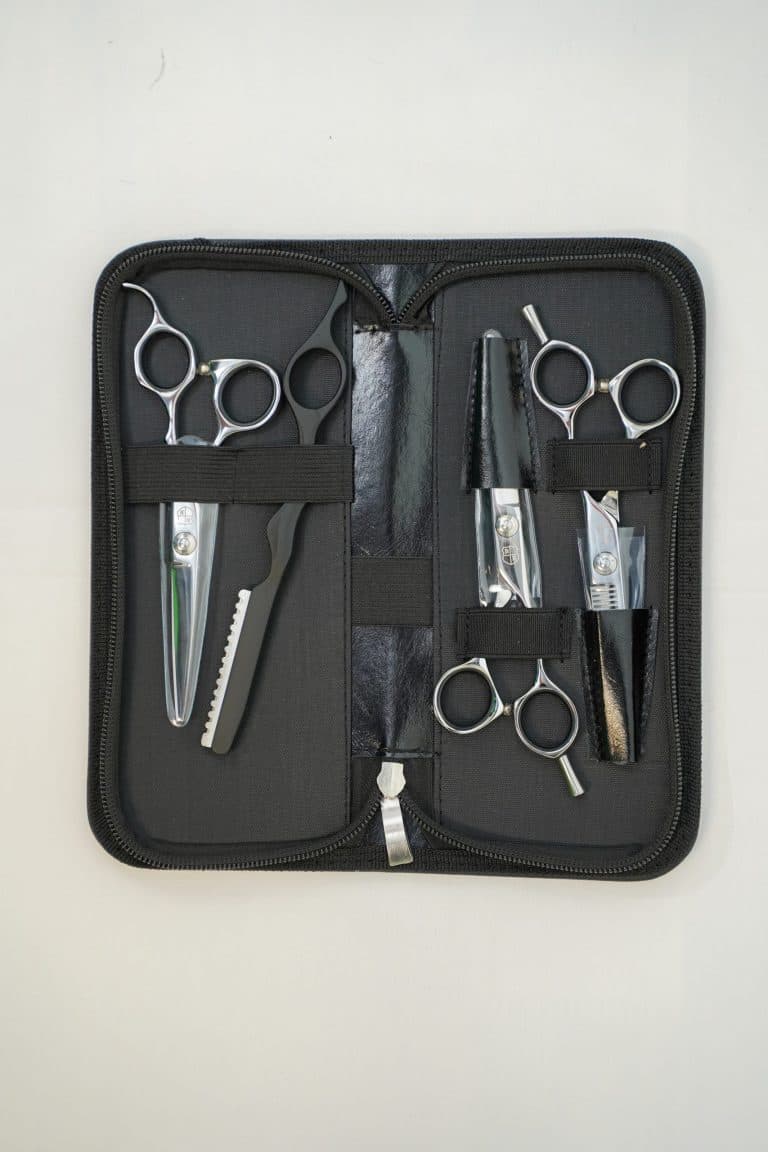
Cutting hair at home is easier when you stop improvising with household scissors and start using tools made for hair. A 4 piece hair cutting kit gives…
Cutting hair at home is easier when you stop improvising with household scissors and start using tools made for hair. A 4 piece hair cutting kit gives at-home users a practical foundation: a dedicated cutting shear, a blending or thinning tool, and the accessories needed to keep the process cleaner and more controlled.
Why regular scissors are the wrong tool
Kitchen scissors and craft scissors are not designed to cut hair cleanly. They can crush, bend, or fray the hair instead of slicing through it. That can leave the ends rough and make the haircut harder to control.
Hair cutting shears are shaped, sharpened, and balanced for controlled cutting. Even at home, the right tool changes the result.
Using the wrong tool is one reason at-home cuts look choppy. The other reason is rushing. Good tools and patience go together.
What a 4 piece kit helps you do
A good kit should support basic trims, cleanup cuts, bang maintenance, and light blending. It is not a replacement for advanced salon technique, but it gives you a better starting point for simple at-home work.
The biggest benefit is consistency. When the shears are sharp and the tools are organized, you can make cleaner decisions and avoid hacking at the hair.
A kit is especially useful for families that do occasional maintenance between professional appointments.
Set up before you cut
Start with clean, detangled hair. Use good lighting, section the hair carefully, and cut less than you think you need to. You can always take more off; you cannot put length back.
Have clips, a comb, a cape or towel, and your shears ready before you begin. Do not start cutting and then search for tools halfway through.
For children’s haircuts or quick trims, work slowly and keep the sections small. Rushing is where most at-home mistakes happen.
Use the cutting shear for the main shape
The straight shear should handle the primary cutting. Use it for the perimeter, small trims, and basic section work. Keep the blade moving cleanly and avoid sawing at the hair.
Hold the hair with light tension and make small adjustments. Big cuts create big mistakes.
If you are unsure, stop and reassess. The best at-home cut is often the one that avoids overcorrection.
Use thinning shears carefully
Thinning tools can soften heavy areas, but they can also create gaps if used too aggressively. Avoid cutting too close to the scalp unless you know exactly why you are doing it.
Use small, controlled cuts and comb through before deciding whether more texture is needed.
Fine hair and damaged ends need extra caution because thinning can make them look weaker.
Keep the kit working
Wipe the shears after use, oil the pivot, and store everything in the case. If the shears begin to push hair or feel rough, sharpening may be needed.
See the 4 piece hair cutting kit or browse all hair cutting kits.
Quick Buying Guide
- Choose a kit with real hair cutting shears, not household scissors.
- Use the straight shear for length and shape.
- Use the thinning tool sparingly for softening.
- Cut small sections and reassess often.
- Maintain the tools after every use.
Frequently Asked Questions
Can beginners use a 4 piece hair cutting kit?
Yes, for simple trims and maintenance cuts. Beginners should avoid major style changes until they have more experience.
Should hair be wet or dry for at-home cutting?
It depends on the cut, but many beginners find clean, damp, detangled hair easier to control. Remember that hair can shrink as it dries.
How do I keep the kit sharp?
Clean and oil the shears, store them properly, and use professional sharpening when they begin to push or fold hair.
At-home cutting works best when the goal is realistic: clean maintenance, careful trims, and better tools.
Simple At-Home Haircut Rules
The best at-home haircuts are conservative. The goal is usually maintenance, not reinvention. Trim small amounts, check both sides often, and avoid major shape changes unless you have real cutting experience. Most home haircut mistakes happen because someone tries to fix a small uneven area by taking off more and more hair.
Work in good lighting and keep the hair organized. Section clips, a comb, and a towel or cape make the job easier. Trying to cut while the hair is tangled, moving, or poorly lit will make even good shears feel harder to control.
For family haircuts, especially kids, keep the session short. A clean, simple trim is better than a long, frustrating haircut where everyone gets impatient.
What the Kit Does Not Replace
A hair cutting kit gives you better tools, but it does not replace professional training. Advanced layers, major restyles, corrective cuts, and difficult texture work still belong with an experienced stylist or barber. The kit is best for small trims, cleanup work, and maintenance between appointments.
That honest expectation helps customers get better results. They should not buy the kit expecting to become a professional overnight. They should buy it because proper shears are safer, cleaner, and more controlled than household scissors.
When the cut matters a lot, leave it to a professional. When the goal is a careful trim or cleanup, a proper kit makes sense.
After-Cut Cleanup and Tool Care
After the haircut, wipe the blades clean and remove any hair from the pivot area. If the kit includes a case, put the tools back in the case instead of leaving them loose in a drawer. Storage matters because a small nick can make the shear push or fold hair later.
Oil the pivot periodically and avoid using the shears for anything except hair. Cutting paper, tags, packaging, fabric, or thread can dull the edge quickly. That is one of the most common ways at-home users ruin a good pair of shears.
If the shear begins to pull or feel rough, stop using it and consider professional sharpening. Fighting a dull tool usually leads to worse results.
Who This Kit Is Best For
This kind of kit is a strong fit for parents, caregivers, students, and anyone who wants to handle simple trims at home with better control. It is also useful for people who want to maintain bangs, clean up ends, or do light blending between salon visits.
It is not the right choice for someone who wants to do complex professional cuts without training. That distinction matters. Good tools help, but they do not remove the need for patience and judgment.