June 8, 2026/5 min read
Unlock the Art of Hairdressing With the 9CR 32T Professional Thinning Shear
A 32-tooth thinning shear is one of the most useful tools in a stylist’s kit. It gives controlled weight removal without the aggressive bite of a chunker,…
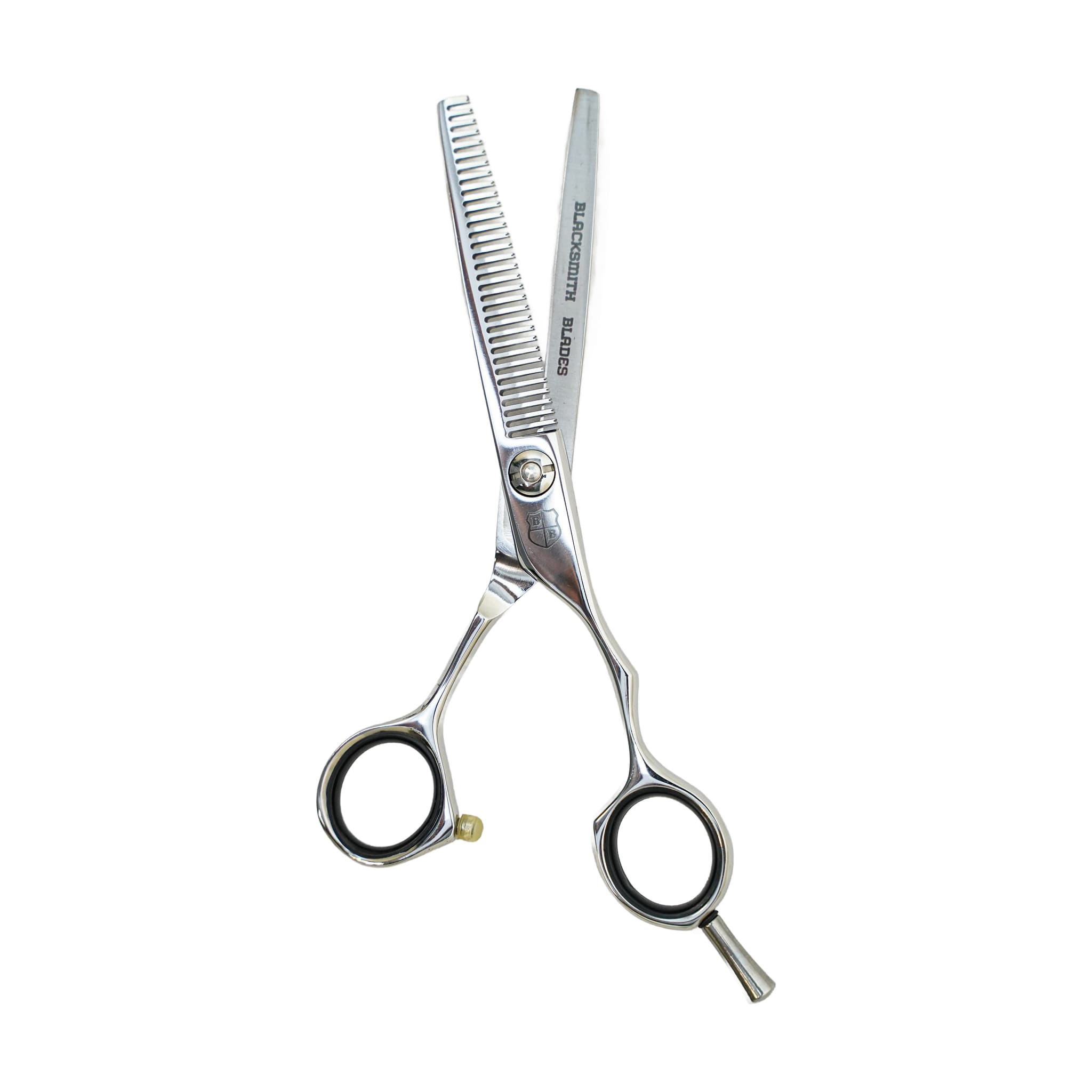
A 32-tooth thinning shear is one of the most useful tools in a stylist’s kit. It gives controlled weight removal without the aggressive bite of a chunker, making it a strong choice for blending, softening, and refining finished shapes.
Why 32 teeth is a practical choice
A 32T thinning shear typically removes hair more gradually than lower-tooth-count tools. That makes it easier to use for softer blending and controlled weight reduction.
For many stylists, it is a go-to middle ground: strong enough to matter, gentle enough to avoid obvious gaps when used correctly.
That makes it especially helpful for stylists who want a versatile thinning tool rather than a specialty shear that only works in limited situations.
Why 9CR steel makes sense
9CR steel offers a useful balance of performance and value. It can provide better edge life than basic student shears while staying accessible for working stylists and cosmetology students.
For a thinning shear, edge quality matters because dull teeth can pull or drag through the hair. The shear needs to cut cleanly, not chew through sections.
9CR is a practical material for a tool that may be used regularly but still needs to remain affordable.
Best uses for a 32T thinning shear
Use it to blend heavy areas, soften transitions, reduce bulk, and make solid lines look more natural. It can be especially helpful around interior weight, layered cuts, and finishing work.
It is also useful when a cut has the right overall shape but feels too dense in specific areas. That is where controlled thinning can polish the result.
Comb through after each pass and reassess. The best thinning work is often subtle.
What not to do
Do not use thinning shears randomly throughout the head. Do not remove weight close to the scalp without a reason. Do not keep cutting because the tool feels easy to use.
Every cut should have a purpose. If you cannot explain why you are thinning that exact section, pause before you remove more hair.
Over-thinning can create weak ends, frizz, and holes in the shape. That is not texture; that is damage to the haircut.
How it fits in a stylist kit
A 32T thinning shear pairs well with a dependable straight cutting shear. The straight shear builds the structure; the thinning shear refines the weight and blend.
For students, this can be a smart second tool after a primary cutting shear. For professionals, it is a practical daily finishing tool.
Review the 9CR 32T professional thinning shear or compare additional options in the thinning shears collection.
Quick Buying Guide
- Versatile tooth count for soft blending.
- 9CR steel gives practical professional value.
- Good fit for students and working stylists.
- Best used after the haircut structure is built.
- Comb through and reassess after every pass.
Frequently Asked Questions
What does 32T mean?
It refers to 32 teeth on the thinning blade. Tooth count affects how much hair is removed and how soft the blend looks.
Is a 32T shear aggressive?
It is usually less aggressive than lower-tooth-count chunkers, making it useful for controlled blending.
Can I use it on fine hair?
Yes, but lightly. Fine hair can show over-thinning quickly.
A 32T thinning shear is a refinement tool. Use it to polish the haircut, not erase the structure.
How To Decide Where To Remove Weight
Before using a thinning, texturizing, or chunker shear, look at the haircut from a distance. Identify where the shape is heavy and where the hair needs to stay strong. Removing weight without a plan can weaken the perimeter, create frizz, or leave visible holes.
Use the tool only where it improves the shape. That may be through the interior, around a bulky transition, or in a dense area that needs movement. It should not be everywhere.
The best thinning work is often invisible. The client sees a better shape and softer movement, not obvious chunks missing from the haircut.
Hair Type Changes the Technique
Fine hair needs restraint because it can look thin quickly. Curly hair needs careful placement because short interior pieces can expand and create frizz. Thick, dense hair may tolerate stronger texture, but even then the stylist should work in controlled passes.
Damaged hair also needs caution. Removing too much weight from fragile ends can make the hair look weaker. Sometimes the better answer is a cleaner cut or treatment plan rather than more thinning.
Good stylists adapt the tool to the hair type. They do not use the same thinning pattern on every client.
How To Maintain Thinning and Texturizing Shears
Thinning and texturizing shears collect hair and product between the teeth. If that buildup is ignored, the shear can start to drag or feel inconsistent. Cleaning between uses is especially important for these tools.
Oil the pivot regularly and store the shear where the teeth cannot be damaged. A nicked tooth can change the way the tool performs and may cause pulling.
When the shear starts to snag, pull, or feel rough, use professional sharpening. These tools require careful service because the teeth and cutting edge must work together.