September 29, 2026/4 min read
How to Use the 6CR 5.5in Hair Cutting Shear: Straight Cutting Tasks, Handle Selection, and Daily Care
Learn what the 6CR 5.5in Hair Cutting Shear is built for, how to choose your handle, check tension, and follow a simple daily care routine after every session.
What the 6CR 5.5in Hair Cutting Shear Is Built For
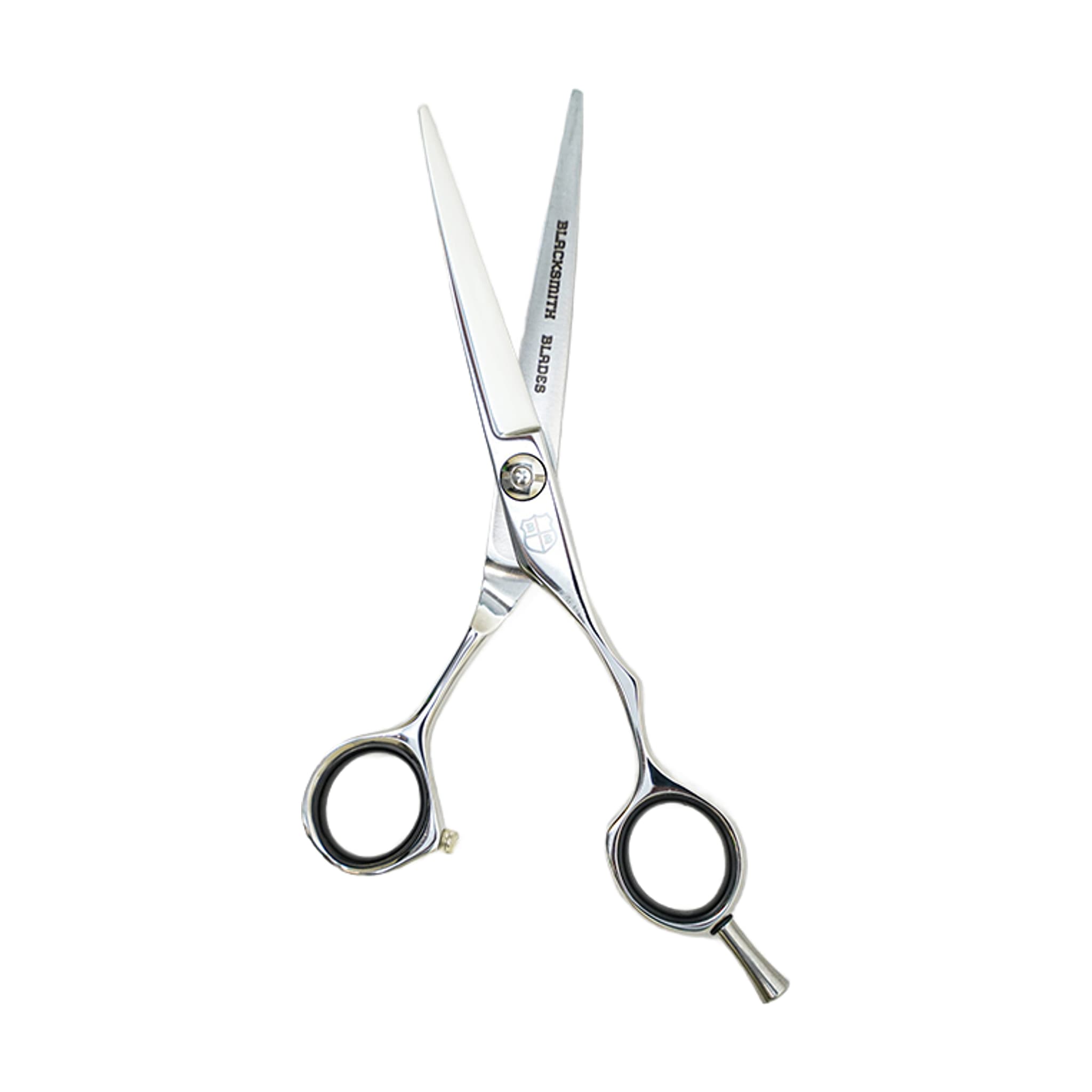
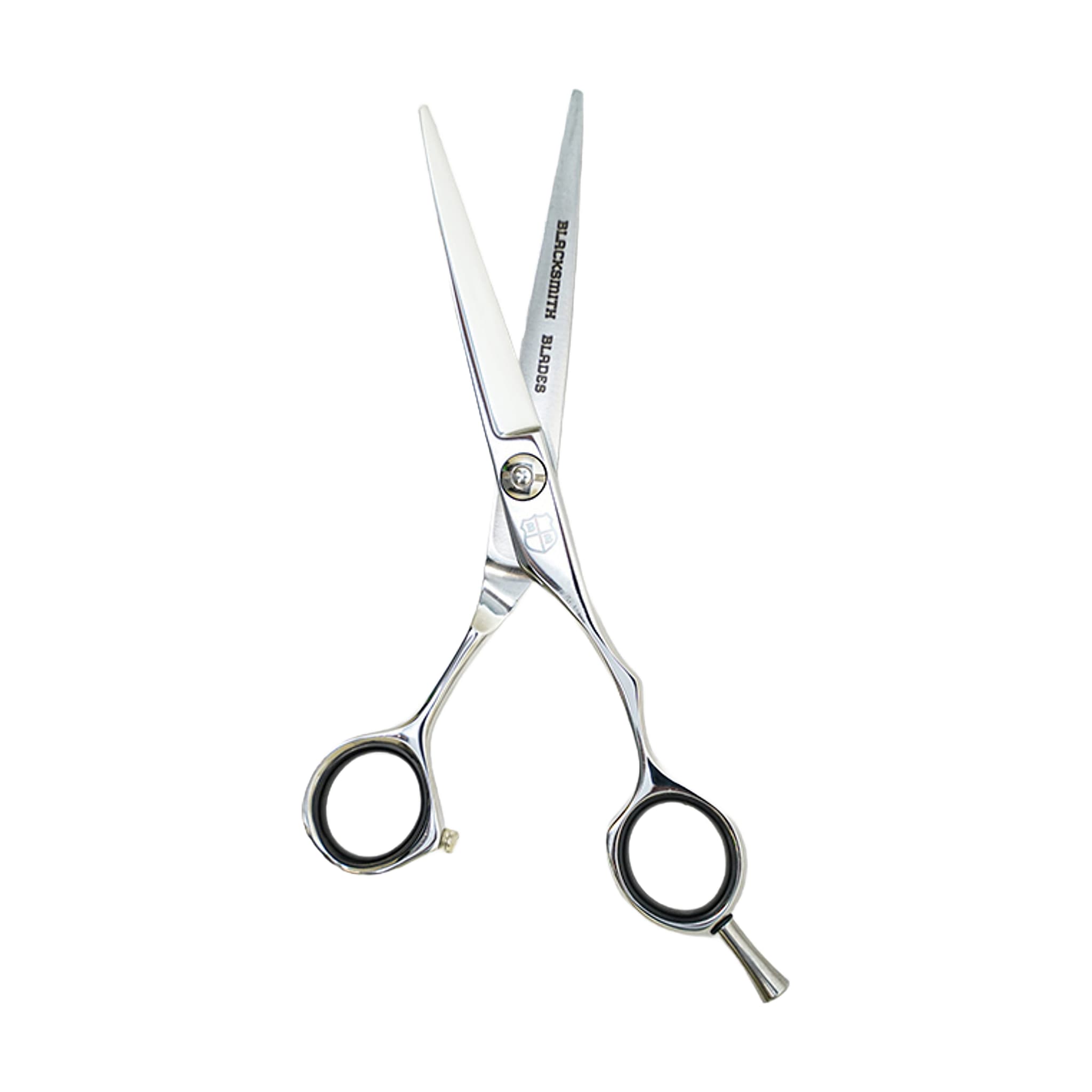
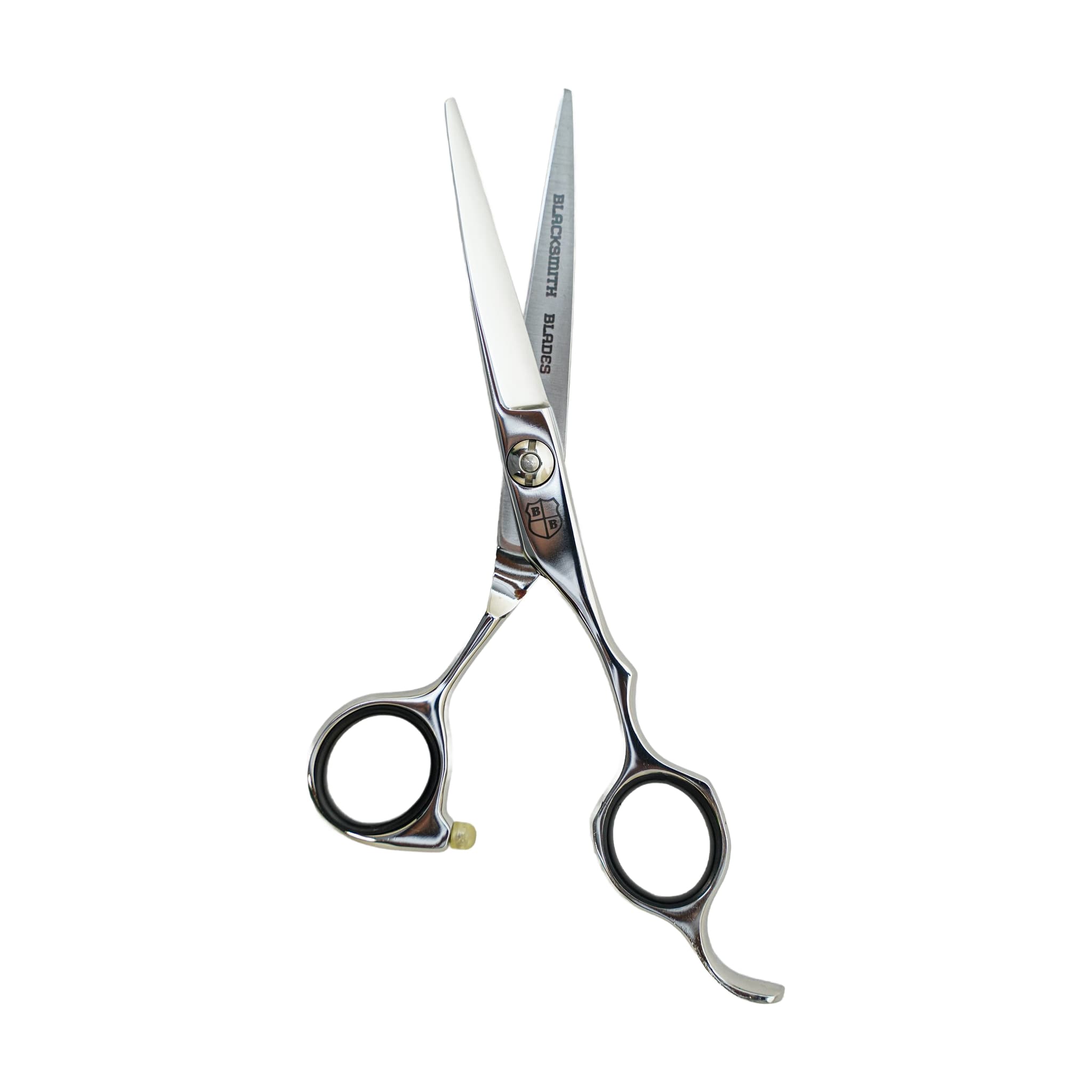
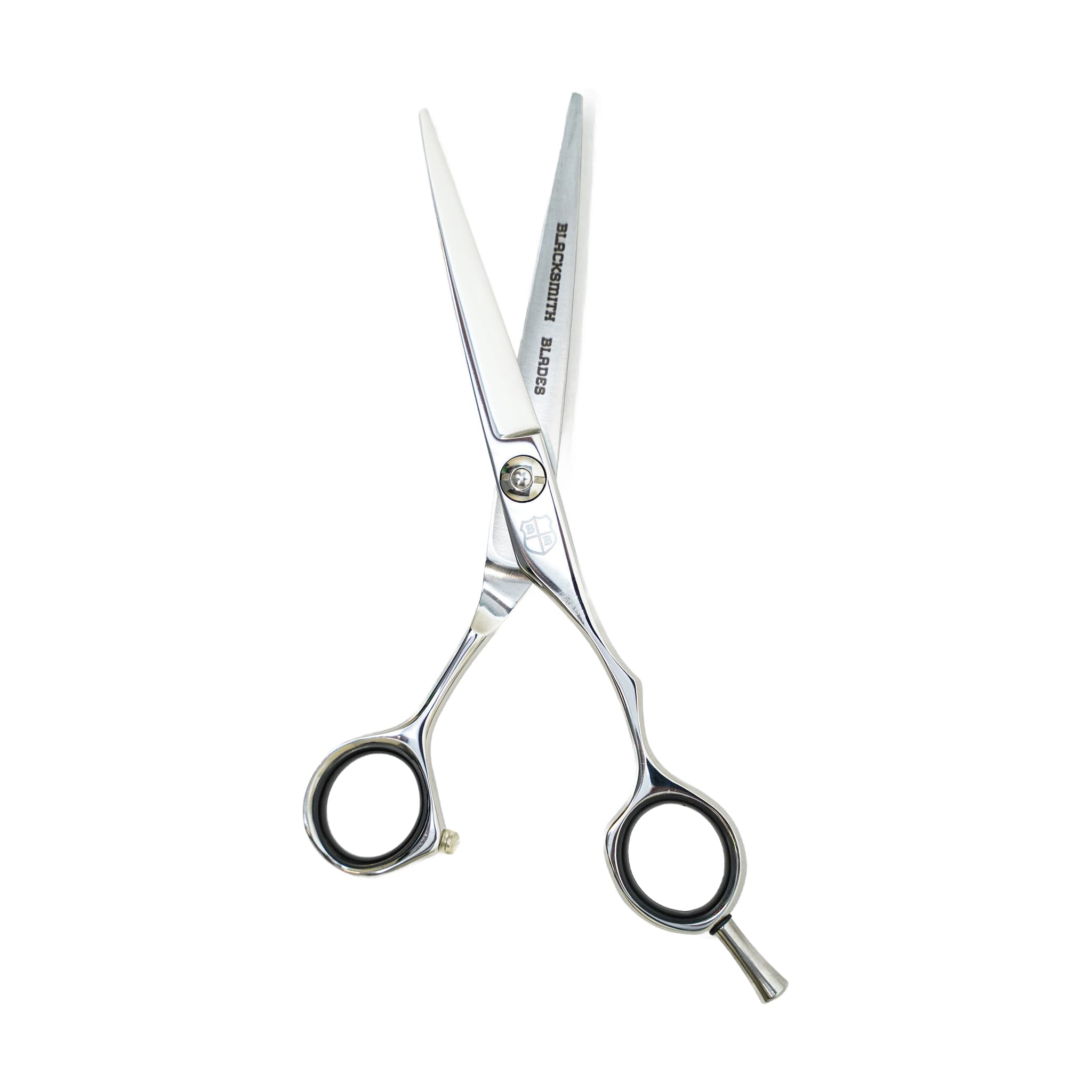
The 6CR 5.5in Hair Cutting Shear is a 5.5-inch straight cutting shear available in left- and right-handed handle orientations. Its 5.5-inch blade gives you close control around fringe and detail work, making it a practical everyday cutter for students and working stylists who need precision in tighter areas. As a straight cutting shear, your primary tasks with it are basic cutting, layering, point cutting, and shaping.
The shear is built in 6CR steel, which is characterized as an affordable and practical choice for students or those who cut occasionally. If you are building your first kit or looking for a dependable everyday cutter without a large upfront investment, this shear fits that role.
Understand the Role of a Shorter Blade Before You Cut
A straight cutting shear handles basic cutting, layering, point cutting, and general shaping. Before you reach for any shear, it helps to confirm the tool matches the task you have in front of you. The 6CR 5.5in Hair Cutting Shear is designed for the straight cutting tasks listed above — not for thinning or texturizing, which require a different tool entirely.
Shorter shears can feel more controlled for detail work, smaller hands, and precision cutting. That tendency makes this blade length a natural fit when your work involves fringe, close-in shaping, or areas where a longer blade can feel unwieldy. If you already have a cutting shear and are considering specialty tools, cover your foundation first — a dependable straight cutting shear is the starting point of a strong kit.
Choosing Your Handle: Left-Handed or Right-Handed
The 6CR 5.5in Hair Cutting Shear is available in both left- and right-handed handle orientations, so your first step before using it is selecting the version that matches your cutting hand. Handle design directly affects your comfort at the chair. A shear that fits your hand poorly can create fatigue and reduce your control during a session, so choosing the correct orientation matters before you begin.
Check Tension Before Your First Session
Tension is the amount of pressure holding the two blades together as they close. When it is set correctly, the blades meet cleanly from heel to tip. When it is off, even a sharp shear can give you inconsistent results: loose tension can cause hair to fold or push away from the edge, while tension that is too tight can make the shear feel heavy or tiring in your hand.
To check tension, open the shear and lift one handle, then allow it to fall closed on its own. A well-set shear closes partway and stops — it neither drops shut immediately nor hangs fully open. Before you judge the feel, oil the pivot, since oil affects how the blades move and makes your tension reading more accurate. Make small adjustments, then test again before cutting hair.
If your shear is folding, pushing, pulling, or cutting roughly and tension adjustment does not resolve it, send the shear for service rather than continuing to adjust. Stop immediately if the screw, ride line, or blade feels damaged.
Daily Care After Every Session: Wipe, Oil and Store
After each session, hair, product residue, moisture, and disinfectant can collect around the blades and pivot. Wiping your shear down after use protects the finish and helps the blades move smoothly. This is a short routine, but doing it consistently is what keeps the tool in working condition between sharpenings.
- Wipe the blades clean after every session to remove hair, product, and moisture.
- Apply a small amount of oil at the pivot, then open and close the shear to work it through. This reduces unnecessary friction and helps your tension checks stay accurate.
- Store your shear in a case or protected holder — do not toss it loose into a drawer or bag, where a small nick can change how it cuts.
- Use your shear only on hair. Paper, tags, thread, packaging, and fabric can dull or damage the edge quickly.
Clean and oil the shear after use, then store it where the blades will not contact other tools. Following these steps after every session is the simplest way to protect your investment between professional sharpenings.
Related resources
Sources
- 6CR 5.5in Hair Cutting Shear - Blacksmith Blades
- Adjusting Shear Tension - Blacksmith Blades
- Daily Shear Care and Storage - Blacksmith Blades
- Different Types of Haircutting Shears and How to Choose the Right Pair - Blacksmith Blades