September 22, 2026/3 min read
How to Use the 6CR 6.5 Professional Cutting Shear: A Practical Workflow for Students and Professionals
Learn what the 6CR 6.5 Professional Cutting Shear is designed for, how to apply it as a straight cutting tool, and how to follow a simple daily care routine to protect the edge and pivot between sessions.
What the 6CR 6.5 Professional Cutting Shear Is Built For
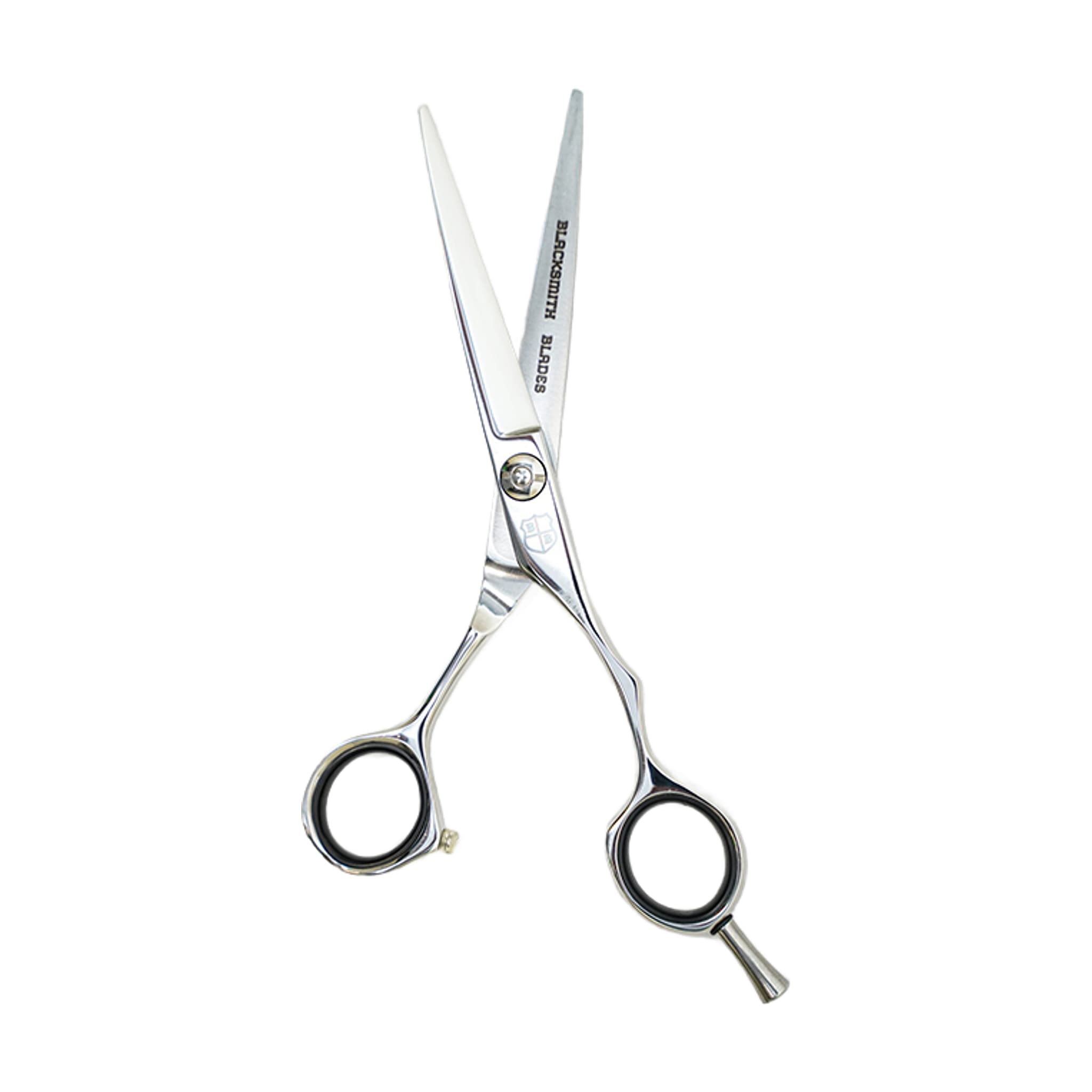
The 6CR 6.5 Professional Cutting Shear is a straight cutting shear built to deliver accessible quality for both students and working professionals. It is designed to fit within limited budgets without stepping away from the quality standards Blacksmith Blades applies to its higher-end tools.
The shear is frequently used as an academy shear, making it a natural starting point for cosmetology students beginning their training. It is also used by professionals who want a dependable everyday cutting tool. The 6CR steel grade keeps the shear accessible, which makes it a practical choice for someone starting out or for a professional who wants a reliable option without a large investment.
Understand the Role Before You Cut
A straight cutting shear is your primary tool. Before you reach for anything else, this is the shear that handles the foundational work of a haircut — basic cutting, layering, point cutting, and general shaping. Specialty tools like thinning or texturizing shears belong in a kit only after you have a dependable cutting shear in hand. The foundation comes first.
6CR steel is described as affordable and practical for students or occasional users. If you are in training or building your first kit, this steel grade lets you work with a quality tool while keeping your budget manageable. Full-time professionals who cut every day may eventually want to explore higher steel grades, but 6CR is a sound starting point and a legitimate working option.
Before your first session with this shear, check that the handle fits your hand comfortably. A shear that fits poorly can create fatigue and reduce your control during a cut. Look for a handle position that lets your hand stay relaxed throughout the service. If your thumb, wrist, or shoulder feels strained, the fit may not suit your cutting style.
Daily Care After Every Session: Wipe, Oil, and Store
What you do after a session matters as much as how you cut. Hair, product, moisture, and disinfectant residue collect around the blades and pivot during use. Wiping the shear down after each session removes that buildup, protects the finish, and helps the blades move smoothly the next time you pick it up.
After wiping, apply a small amount of oil at the pivot. Oil helps the blades move cleanly, reduces unnecessary friction, and makes tension checks more accurate. Once you have applied the oil, open and close the shear several times to work it through the pivot. If you clean or disinfect your shears regularly — which you should — oiling after that process is especially important.
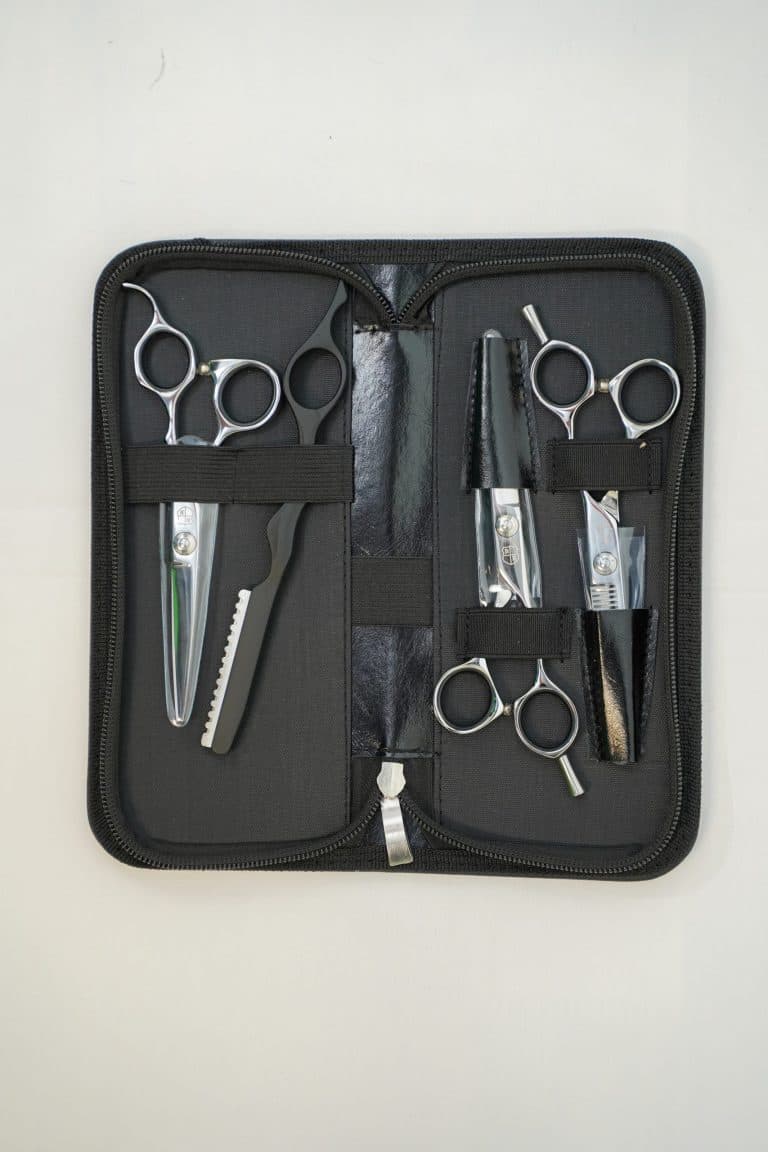
Storage is where most preventable shear damage happens. A small nick from a drawer edge, a counter surface, or a dropped tool can change how the shear cuts. Keep your shear in a case or protected holder after every session. Do not toss it loose into a drawer or bag where the blades and tips can contact other tools.
- Wipe the blades and pivot clean after every session to remove hair, product, moisture, and disinfectant residue.
- Apply a small amount of oil at the pivot and open and close the shear to distribute it.
- Oil after cleaning or disinfecting, not just at the end of the day.
- Store the shear in a case or protected holder — never loose in a drawer or bag.
- Use this shear only on hair. Paper, tags, thread, packaging, and fabric can dull or damage the edge quickly.
Related resources
Sources
- 6CR 6.5 Professional Cutting Shear - Blacksmith Blades
- Daily Shear Care and Storage - Blacksmith Blades
- Different Types of Haircutting Shears and How to Choose the Right Pair - Blacksmith Blades