September 27, 2026/4 min read
How to Use the 9CR 7.0 Professional Cutting Shear: Blade Role, Handle Selection, and Daily Care
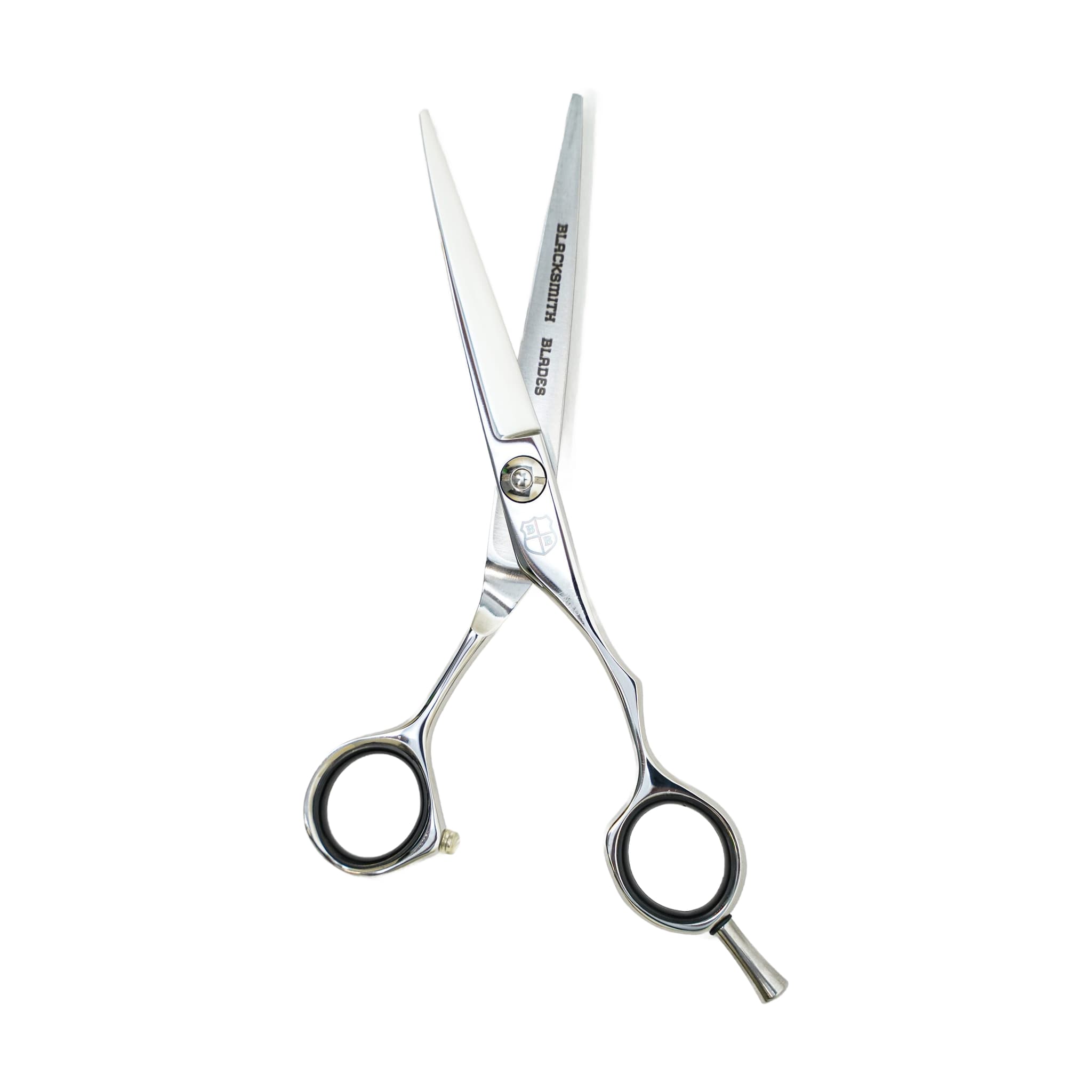
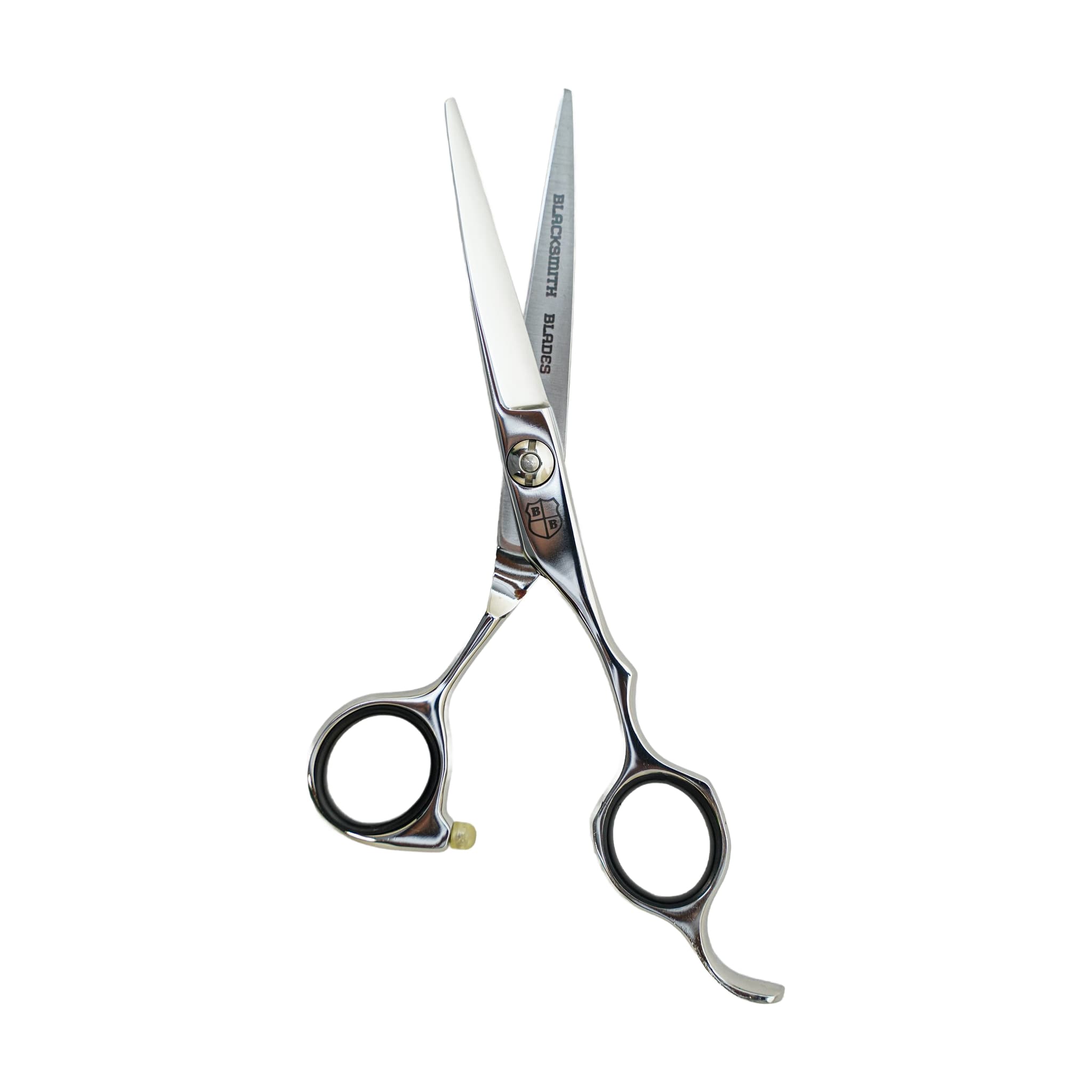
The 9CR 7.0 Professional Cutting Shear is a 7-inch straight cutting shear suited for longer sections and scissor-over-comb work. Here is how to confirm it fits your task, choose your handle, check tension, and care for it after every session.
What the 9CR 7.0 Professional Cutting Shear Is Built For
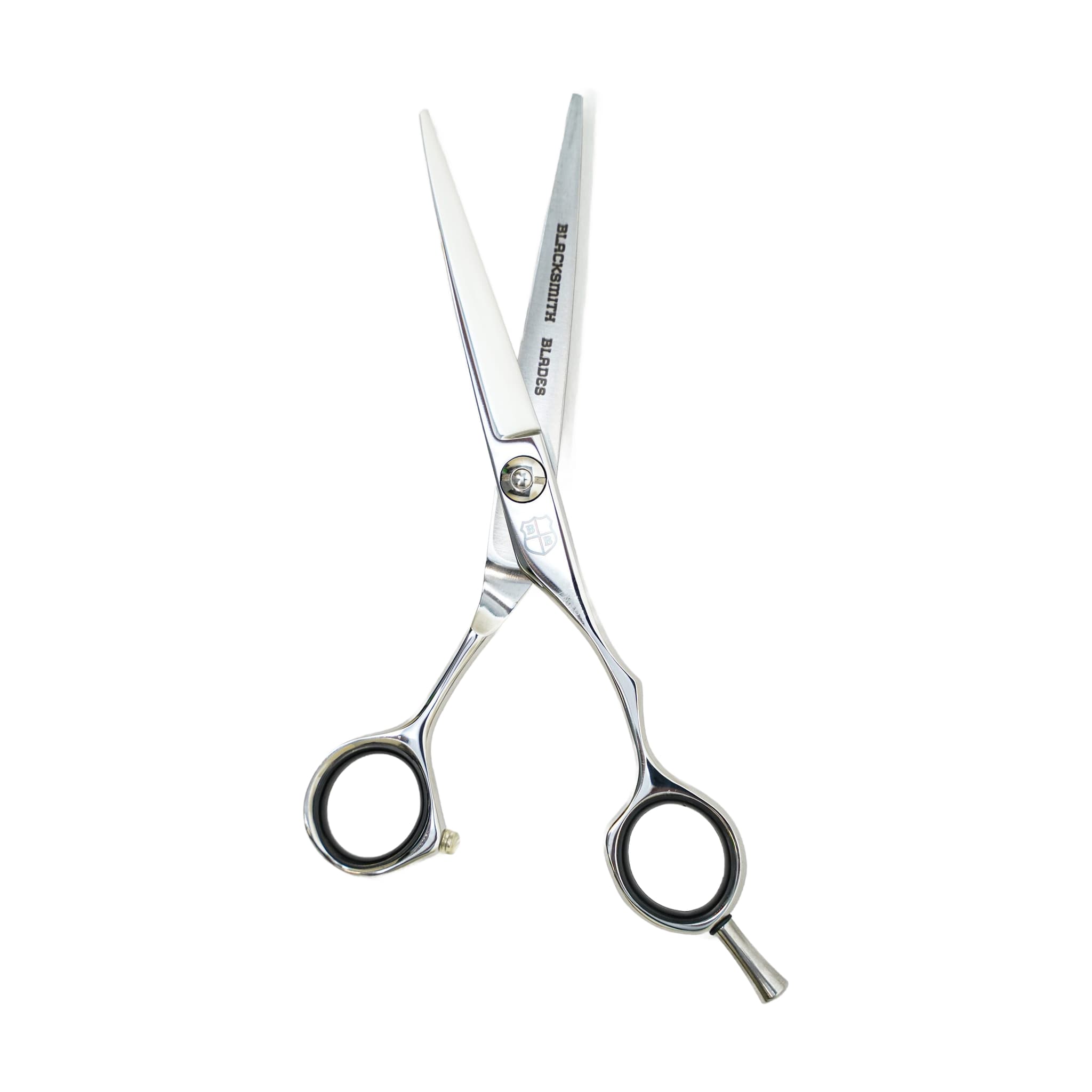
The 9CR 7.0 Professional Cutting Shear is a 7-inch straight cutting shear that gives you a long cutting edge for broad sections and scissor-over-comb work. At seven inches, it is the longest 9CR cutting option in this range, and that length is the defining characteristic you should understand before picking it up.
The shear is designed to sit at a professional middle ground — accessible enough for students beginning their training and capable enough to carry into a working career. If you are looking for a tool that bridges academy use and professional practice, this shear is positioned for that role.
Understand the Role of the Longer Blade Before You Cut
Before your first session with this shear, confirm that the 7-inch blade suits the work you are about to do. The longer blade can suit longer sections and scissor-over-comb work where reach matters. If your session is focused on small sections, detailed fringe, or precision cutting, a shorter model may feel more controlled in your hand.
- Scissor-over-comb and longer sections are where the 7-inch blade length is most useful.
- Shorter shears can feel more controlled for detail work, small hands, and precision cutting — if that describes your primary work, compare a shorter 9CR model before committing to this one.
- Longer shears can support faster cutting on larger panels, which suits stylists working through high-volume days.
In terms of steel, 9CR sits as a stronger professional middle ground compared to 6CR, which is positioned as affordable and practical for students or occasional users. That context is worth knowing when you are deciding whether this shear matches your workload and how often you cut.
Choosing Your Handle: Left-Handed or Right-Handed
Your first practical decision with this shear is handle orientation. The 9CR 7.0 Professional Cutting Shear is available in both left-handed and right-handed variations, so you need to choose the orientation that fits your hand and working style before you buy or begin cutting.
Handle design directly affects how comfortable the shear feels during a session. A shear that fits poorly can create fatigue and reduce control, so look for a handle that lets your hand stay relaxed throughout the cut. If your thumb, wrist, or shoulder feels strained, the handle orientation or design may not suit your cutting style.
Choose the variation that matches your dominant hand before your first session. Getting this right from the start means your hand position and comfort are correct from the moment you begin cutting.
Check Tension Before Your First Session
Before you cut hair with this shear for the first time, perform a basic tension check. Tension controls how the two blades meet as they close. When it is off, even a sharp shear can fold, push, or pull hair rather than cutting cleanly.
To run the check, open the shear fully, lift one handle, and allow it to drop under its own weight. A well-set shear closes partway and stops — it neither drops shut immediately nor hangs fully open. Loose tension can cause hair to fold or push away from the edge, while tension that is too tight can make the shear feel heavy or rough in your hand.
If you make an adjustment, oil the pivot before judging the final feel. Make small changes and test again before cutting hair. If tension adjustment does not stop folding, pushing, pulling, or rough cutting, send the shear for professional service rather than continuing to tighten the screw.
Daily Care After Every Session: Wipe, Oil and Store
A consistent end-of-session routine protects your shear between sharpenings. Hair, product, moisture, and disinfectant residue can collect around the blades and pivot during a busy day. Wiping the shear down after use protects the finish and helps the blades move smoothly.
- Wipe the blades clean after every session to remove hair, product, and moisture.
- Apply a small amount of oil at the pivot to help the blades move cleanly and reduce unnecessary friction — open and close the shear to work the oil through.
- Daily working shears benefit from regular pivot oiling, especially after cleaning or disinfecting.
- Store your shear in a case or protected holder so the blades and tips do not contact other tools or hard surfaces.
- Use this shear only on hair — paper, tags, thread, packaging, and fabric can dull or damage the edge quickly.
Keeping this routine consistent after every session supports the edge and pivot between professional sharpening services.
Related resources
Sources
- 9CR 7.0 Professional Cutting Shear - Blacksmith Blades
- Adjusting Shear Tension - Blacksmith Blades
- Daily Shear Care and Storage - Blacksmith Blades
- Different Types of Haircutting Shears and How to Choose the Right Pair - Blacksmith Blades