October 15, 2026/3 min read
Before the First Client: A Symptom-Based Tension Check for the 9CR 5.5in Fixed Tang Shear
Folding, pulling or a dull feel does not always mean you need sharpening. Use this clean, oil, test, adjust-a-little and retest routine to check tension on your 9CR 5.5in Fixed Tang shear.
Clean and oil the pivot before you judge anything
When a shear feels off, it is tempting to blame the edge right away. Before you decide anything about tension, look at the pivot. Clear any loose hair and product from it, then add a small amount of shear oil. Oiling the pivot first also makes your tension check more accurate.
Oil at the pivot also helps make tension checks more accurate, and opening and closing the shear a few times works the oil through the pivot. Do this first, then judge the final feel of your tension.
Run the open-and-close test
With the pivot clean and oiled, open your shear, raise one handle and let the blade close naturally. Watch what it does. You are looking for a controlled closing motion: the blade should not crash shut abruptly, and it should not hang apart without closing either. This is a qualitative guide rather than a measurement, so treat it as a first reading of how the shear behaves before any hair is involved.
Match what you feel to what it may mean
Tension is the pressure holding the two blades together as they close. When it is off, even a shear with a usable edge can fold, push or pull hair. The change usually shows up as a change in feel, so pay attention to what your hand and the hair are telling you.
- Loose tension: hair can bend between the blades, or fold or push away from the edge instead of cutting cleanly.
- Tight tension: the shear can feel heavy, rough or tiring in your hand, and it can feel dull even when the edge is still usable.
- Other warning signs: hair catches or tugs close to the tips, closing the blades takes more effort from your hand than usual, or your results vary from cut to cut while the shear looks undamaged.
These signs are clues, not a diagnosis. They help you decide whether a small tension change is worth trying before you assume the shear needs sharpening.
Adjust a little, then retest every time
If your open-and-close test or the symptoms above point to a tension issue, make small adjustments and test again before you cut hair. Do not keep tightening until the shear finally cuts. Too much tension causes drag and hand fatigue, so adjust gradually and stop if the shear feels rough or forced.
- Make one small change.
- Repeat the open-and-close test and notice the feel.
- Test the shear on clean hair or test fiber.
- Go back to client work only after that clean-hair or test-fiber trial, and stop adjusting if the shear still feels rough or forced.
Stop adjusting when tension is not the answer
Stop if the screw, the ride line or the blade feels damaged. If your tension adjustments do not stop the folding, pushing, pulling or rough cutting, send the shear for service rather than continuing to tinker with it.
Keep in mind that not every cutting problem comes from tension. A small nick from a drawer, a counter or a dropped tool can change how a shear cuts.
Set up your next check at the end of the day
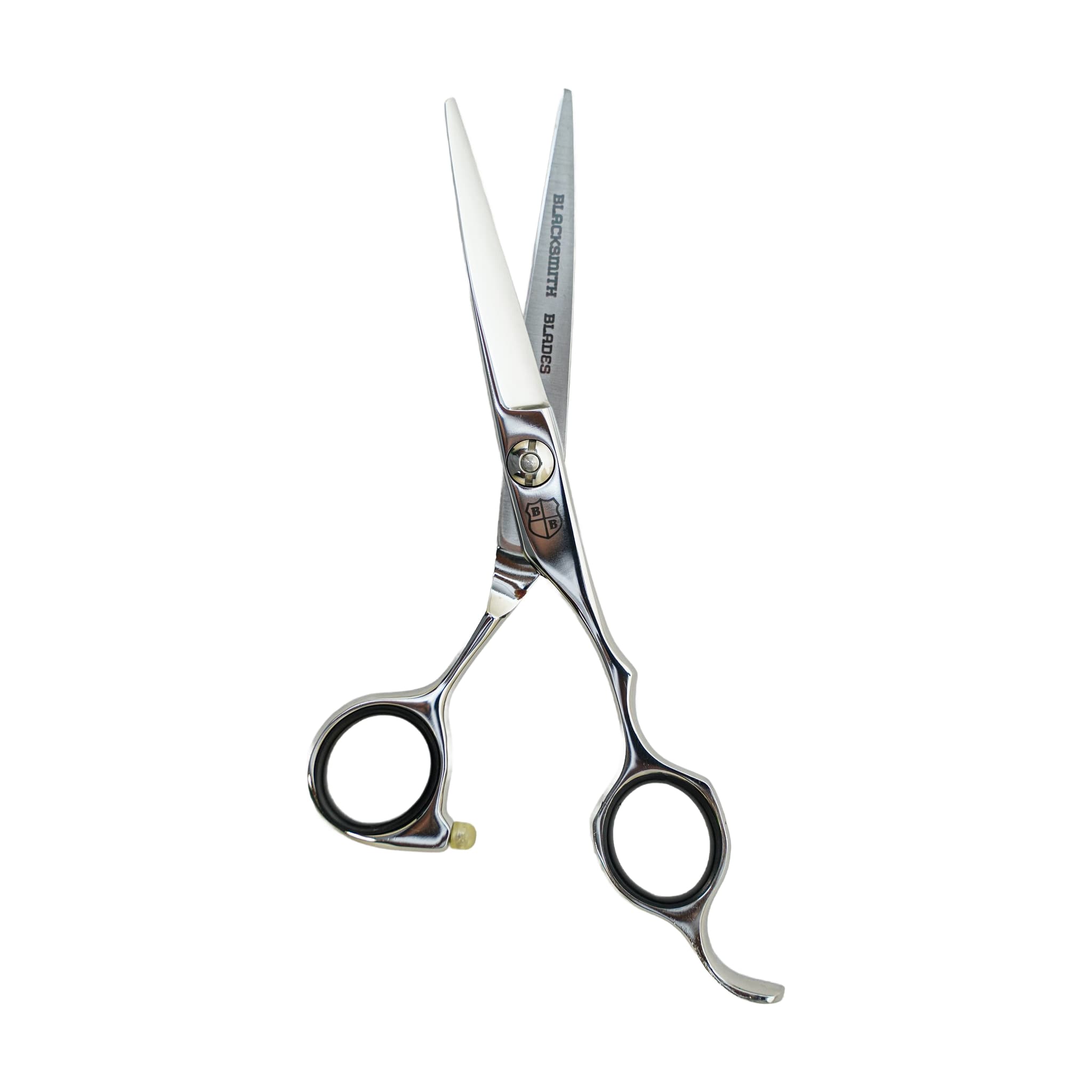
Your 9CR 5.5in Hair Cutting Shear - Fixed Tang is a 5.5-inch shear made from 9CR steel, and it comes with a left- or right-handed handle. After each session, wipe and oil it, then store it where the blades will not touch other tools. Doing so means the pivot is already clean and oiled when you start the next tension check.
To see the shear this routine is written around, view the 9CR 5.5in Hair Cutting Shear - Fixed Tang.
Related resources
Sources
- 9CR 5.5in Hair Cutting Shear - Fixed Tang - Blacksmith Blades
- Adjusting Shear Tension - Blacksmith Blades
- Daily Shear Care and Storage - Blacksmith Blades