October 23, 2026/3 min read
Closing-Time Care for Your 9CR 42T Thinning Shear, and When a Tension Check Is Worth Doing
Wipe, oil and store your 9CR 42T Professional Thinning Shear after a shift, and recognize changes in cutting feel that can prompt a tension check or professional service.
Wipe and clear your shear once the last client leaves
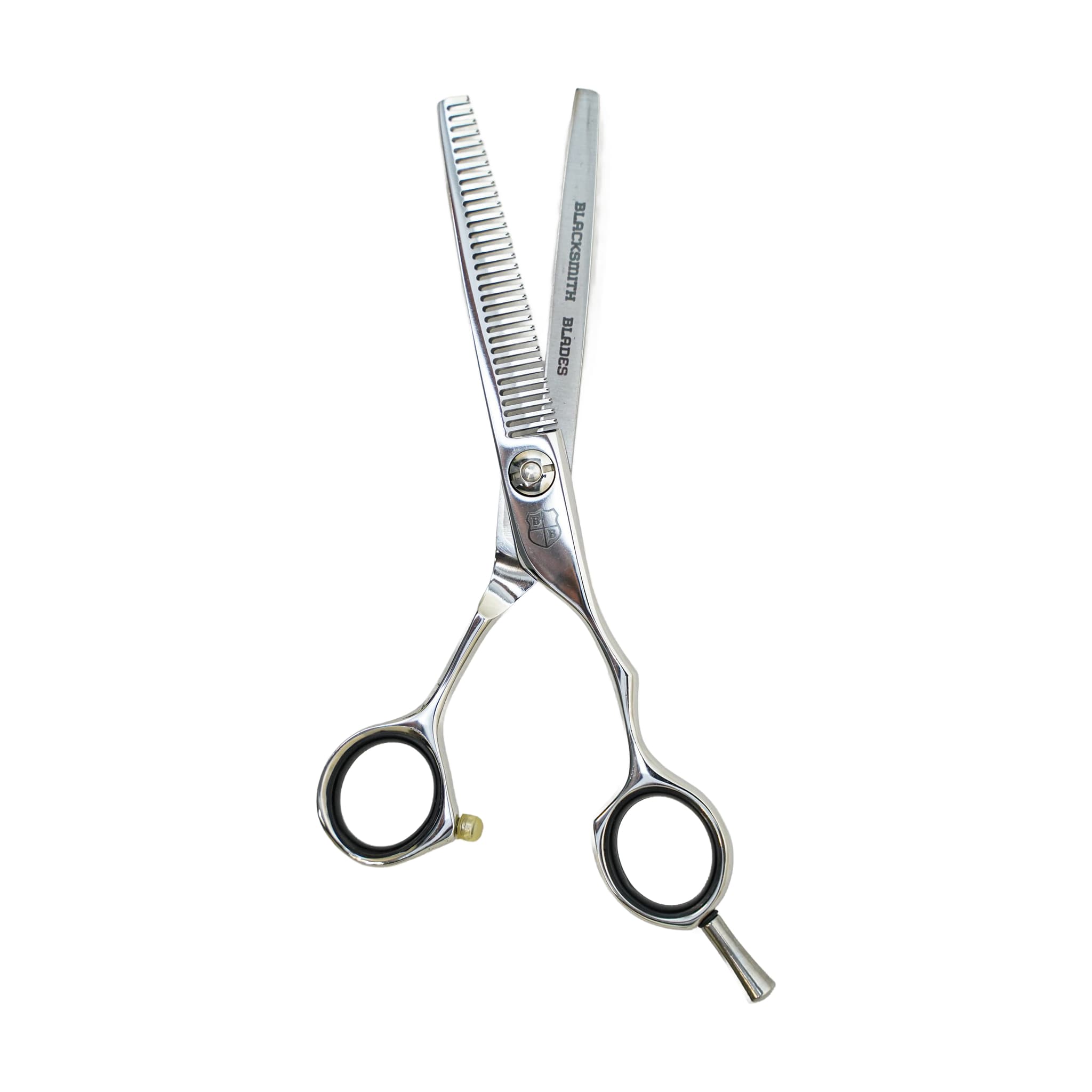
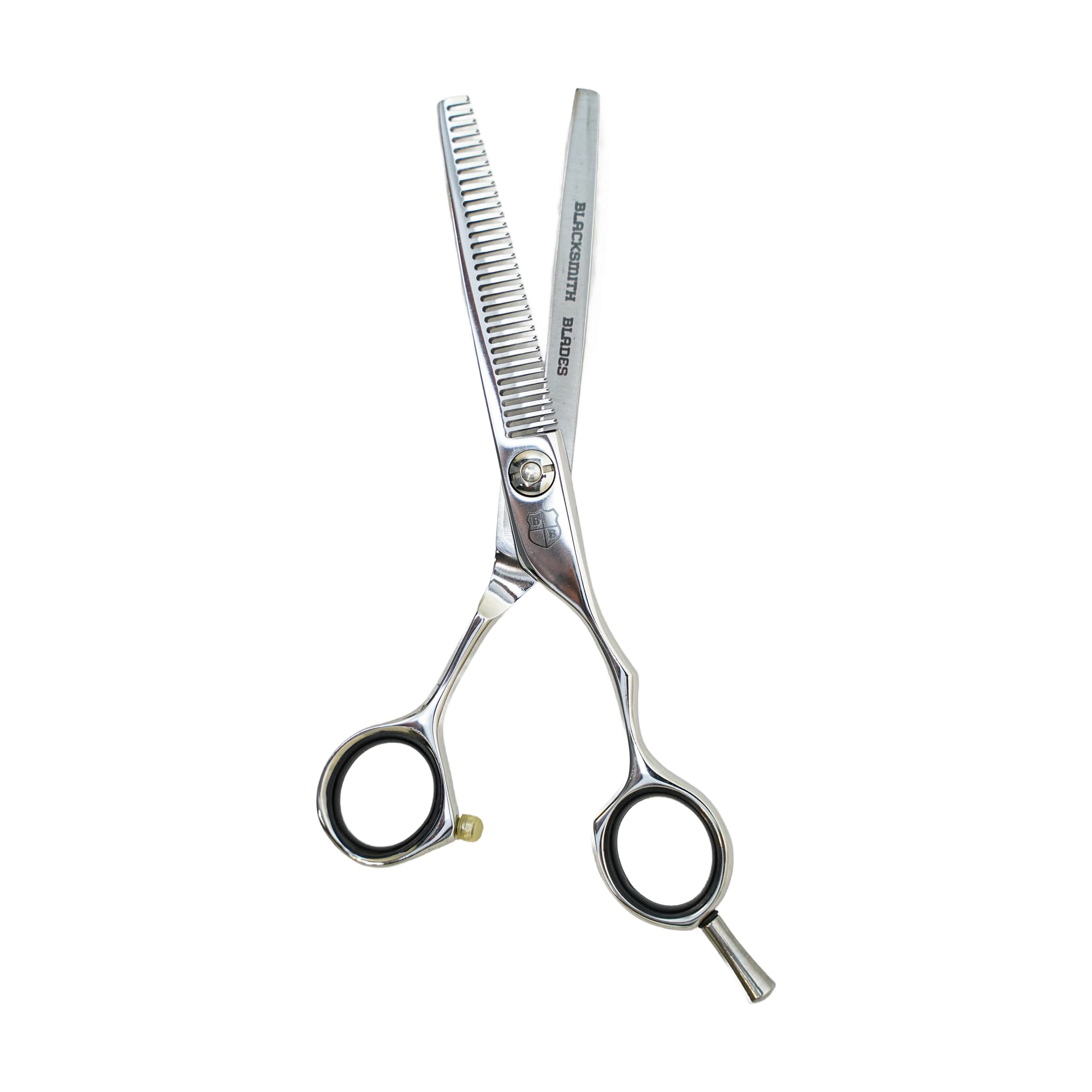
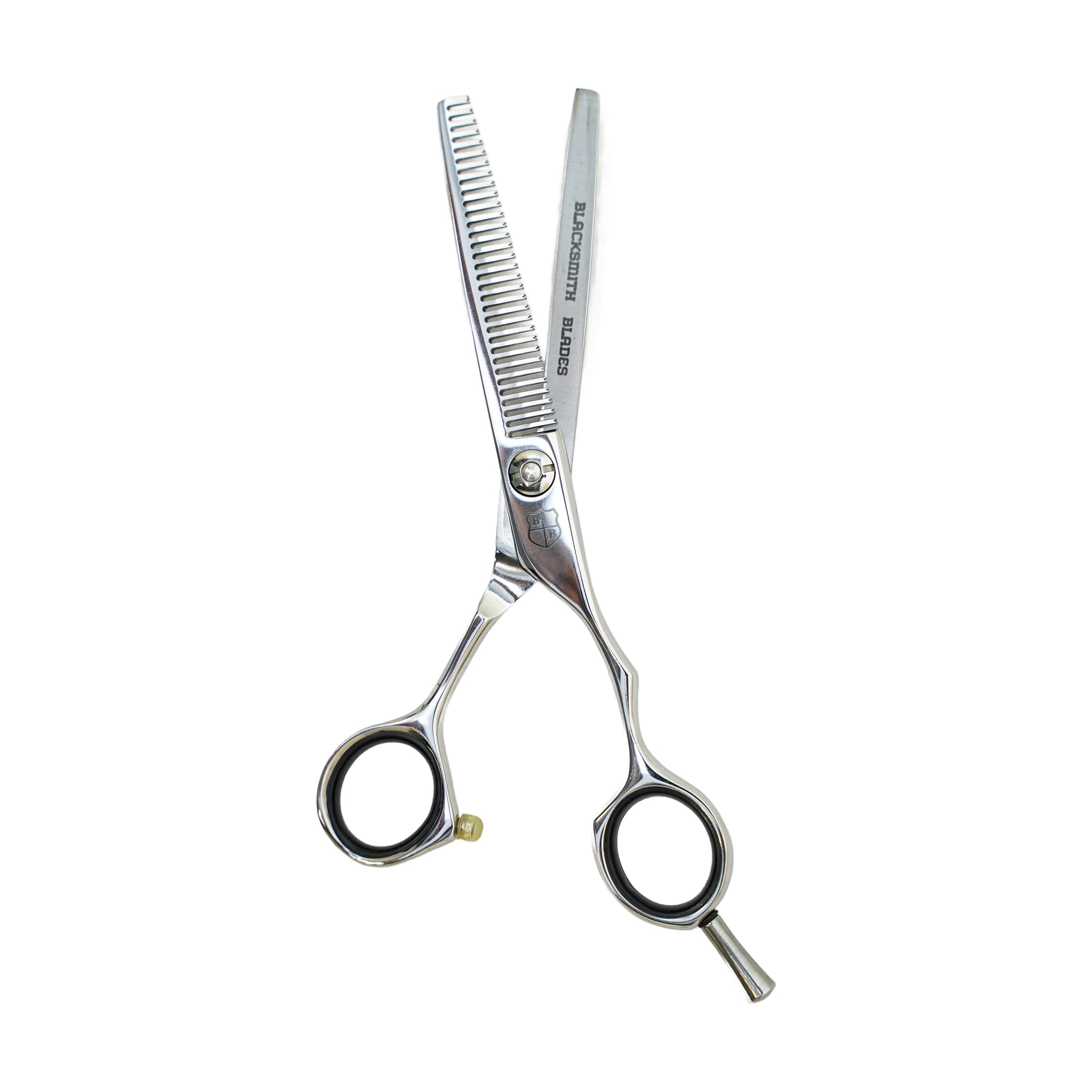
The 9CR 42T Professional Thinning Shear is a finer-tooth thinner for softening transitions, and it comes in left- and right-handed versions. Choose the version that matches your hand.
Start by wiping the blades clean. Hair, styling product, moisture and disinfectant residue can all collect around the blades and the pivot, so look at both areas, not just the cutting edges.
As you clean, pay attention to spaces in the toothed blade: residue there can affect how smoothly your thinning shear works.
Oil the pivot after cleaning
Once the shear is clean, put a small amount of oil on the pivot. Then open and close the shear to work the oil through the joint.
Working shears benefit from regular pivot oiling, especially after you have cleaned or disinfected the tool.
Let a change in feel prompt a tension check
If your shear begins to feel different during a cut, a tension check can help you investigate the change. Watch for these signs:
- Cutting that feels inconsistent
- Pulling or grabbing near the tip
- More effort from your hand to close the shear
If you notice one of these, first clear loose hair and product from the pivot and oil it. Oiling also makes a tension check more accurate, so you are judging the shear itself and not the buildup.
To check, open the shear, raise one handle and let it close on its own. It should neither slam shut nor stay wide open.
Adjust in small steps and know when to stop
If the shear needs an adjustment, change the tension only a little at a time and retest after each change. Before you return to client work, test the shear on clean hair or test fiber.
Stop adjusting if the screw, the ride line or the blade feels damaged. If the shear still folds, pushes, pulls or cuts roughly after you have tried a tension adjustment, send it for service instead of continuing to work on it yourself.
Store it where the blades and teeth stay protected
Put your shear in a case, wallet or other protected holder so the blades and tips do not touch other tools. Avoid leaving it loose in a drawer or bag, because a small nick from a drawer, a counter or a dropped tool can change how a shear cuts.
Protect the toothed blade when you put your shear away. Damage to an individual tooth may make the tool pull hair.
Keep your use of the shear to hair only. Paper, tags, thread and packaging do not belong under its blades.
When snagging or roughness points to professional sharpening
Have a professional service your shear if it starts catching hair, pulling, or feeling rough. Servicing a thinner involves the toothed blade as well as its cutting edge.
When you are ready to look at the tool this routine covers, you can view the 9CR 42T Professional Thinning Shear and choose the handedness that fits you.
Related resources
Sources
- 9CR 42T Professional Thinning Shear - Blacksmith Blades
- Adjusting Shear Tension - Blacksmith Blades
- Daily Shear Care and Storage - Blacksmith Blades
- How to Use Texturizing and Thinning Shears Like a Professional - Blacksmith Blades