November 10, 2026/3 min read
Feel Changes in Your 9CR 32T Thinning Shear: Tension Check or Service?
Learn which changes in feel can prompt a tension check on your 9CR 32T Professional Thinning Shear, what to do before you judge tension, and which signs mean it is time to stop adjusting.
Where the 32T fits and when you'll notice a change in feel
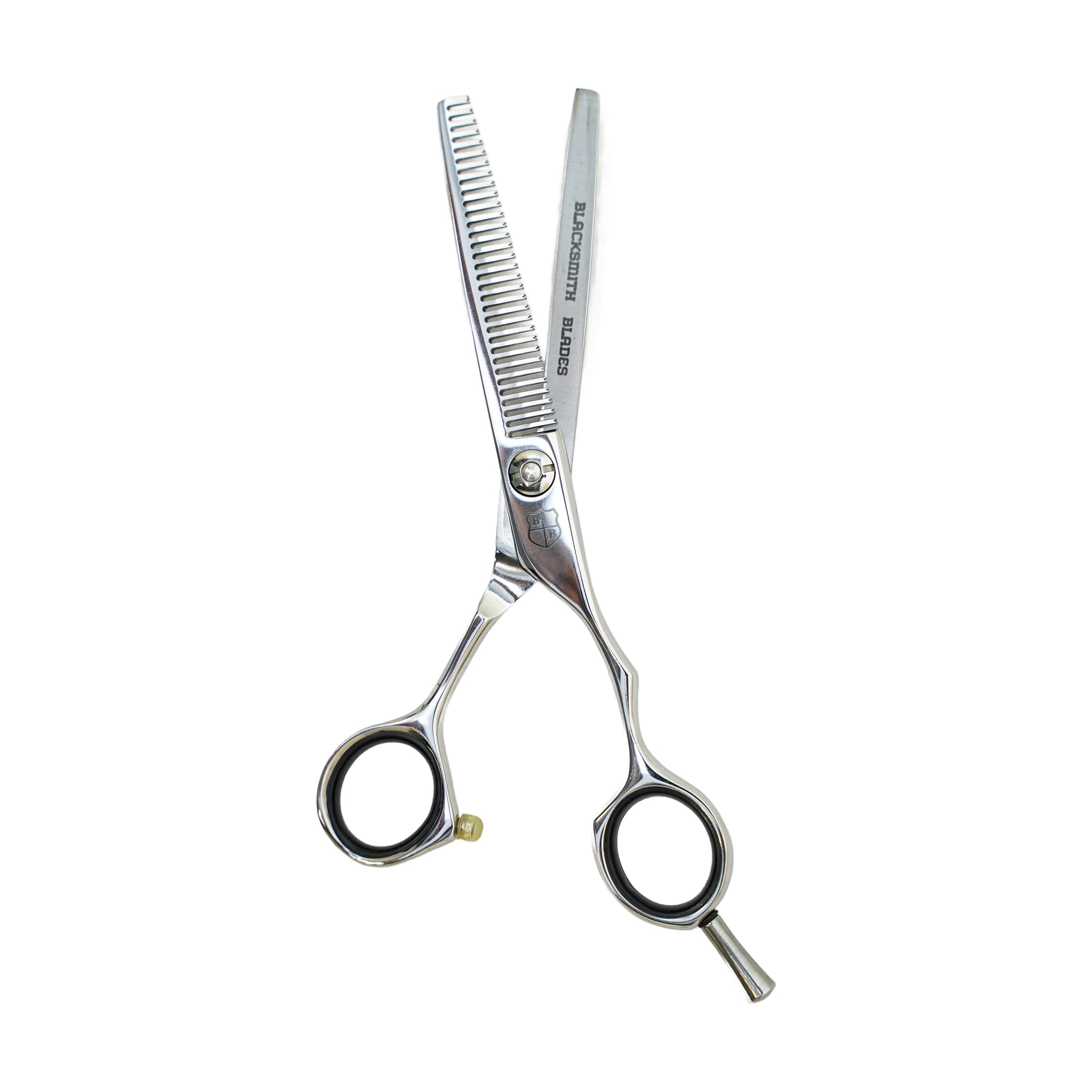
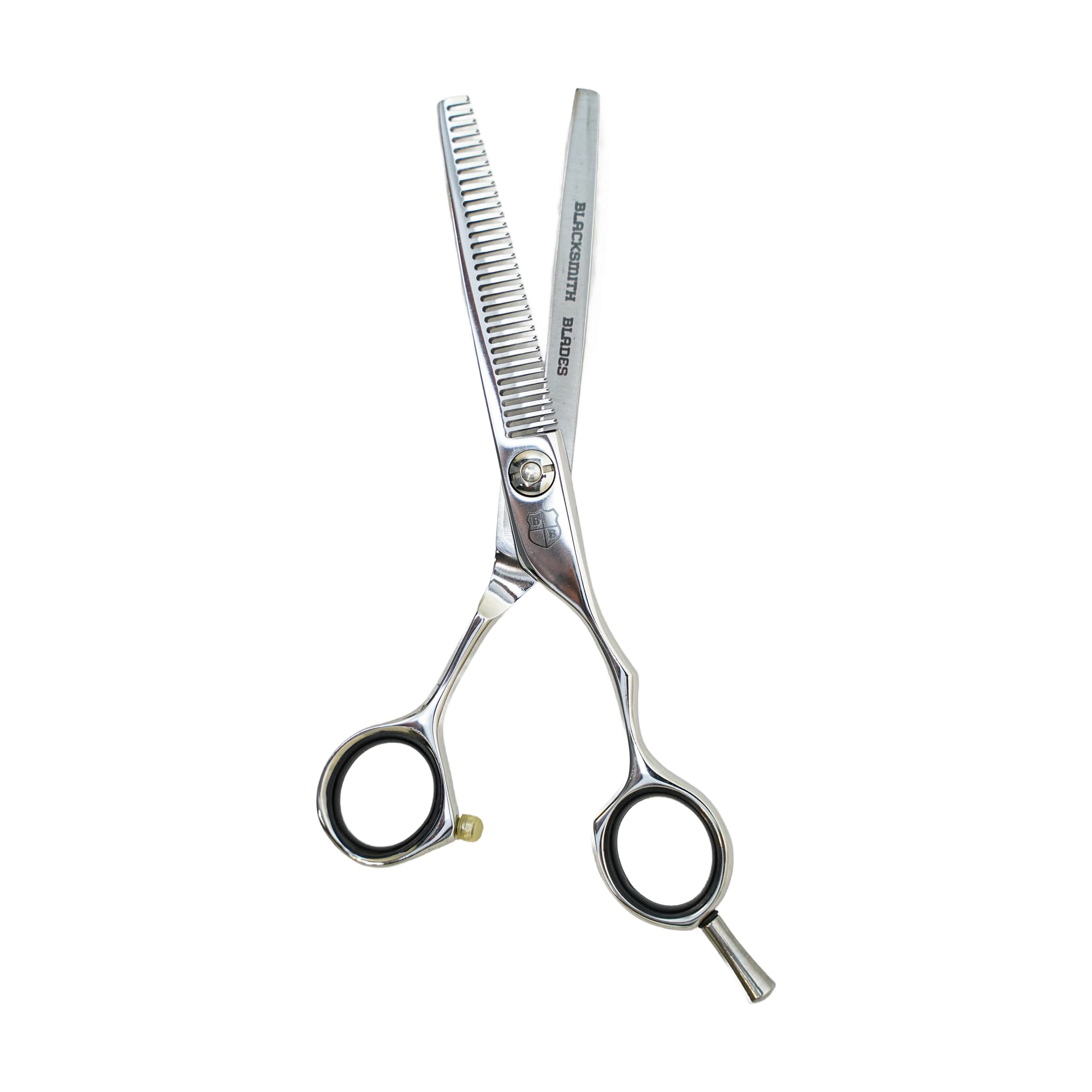
The 9CR 32T Professional Thinning Shear has 32 teeth, placing it between the more pronounced 25T and the finer 42T. It is positioned as a middle-ground blend.
In a cutting sequence, you set the shape with a straight cutting shear first, then bring in the 32T to refine. Comb through between passes to see how much weight you have removed. That pause is also a natural moment to notice whether the shear feels different in your hand than it did a pass earlier.
Feel changes that can prompt a tension check
A tension problem usually shows up in how the shear feels, and the shear can still look perfectly fine. The tension guidance in this article applies to shears in general rather than being a procedure written for one specific model.
- Your cut becomes inconsistent.
- The shear pulls or grabs hair near the tip.
- Your hand works harder than normal to close the shear.
The direction of the symptom gives you a hint. Loose tension can let hair fold or push away from the edge. Tight tension can make the shear feel heavy, rough, tiring, or dull even when the edge is still usable.
What to do before you judge tension
Before you decide how the shear really feels, clear loose hair and product from the pivot and add a small amount of shear oil there. Open and close the shear to work the oil through the pivot. An oiled pivot also makes your tension check more accurate.
Then try a simple balance check. Open the shear, raise one handle, and let the shear close naturally. It should not slam shut, and it should not stay wide open.
Adjusting carefully, and knowing when to stop
If you do adjust, move in small increments and retest after each change before you cut hair. Try the shear on clean hair or a test fiber before it goes near client work.
- Don't keep tightening until the shear finally cuts. Excess tension brings drag and hand fatigue.
- Stop if the shear feels rough or forced.
- Stop if the screw, the ride line, or the blade feels damaged.
- Send the shear for service if adjustment doesn't end the folding, pushing, pulling, or rough cutting.
Why the teeth matter when pulling or snagging appears
Hair and product collect between the teeth of a thinning shear, which is why cleaning between uses is stressed for these tools. Leaving that buildup can bring drag or an inconsistent feel, so look there as well as at the pivot.
If snagging, pulling, or a rough feel remains, professional sharpening is the direction to take. A nicked tooth can change how a thinning shear performs and may cause pulling, but you can't confirm damage from feel alone, so treat the symptom as a reason to get the shear looked at. A small nick from a drawer, counter, or drop can change how a shear cuts, which is one reason to keep it in a case or holder.
Your next step with the 9CR 32T
Keep these steps in mind between passes: notice the feel, clear and oil the pivot, check balance, adjust in small steps, and stop when something feels forced or damaged. If you're ready to see the 32-tooth shear described here, view the 9CR 32T Professional Thinning Shear on its product page.
Related resources
Sources
- 9CR 32T Professional Thinning Shear - Blacksmith Blades
- Adjusting Shear Tension - Blacksmith Blades
- Daily Shear Care and Storage - Blacksmith Blades
- How to Use Texturizing and Thinning Shears Like a Professional - Blacksmith Blades