August 23, 2026/5 min read
How to Use the 9CR 32T Professional Thinning Shear: Step-by-Step Technique, Placement and Care
Learn how to get the most from the 9CR 32T Professional Thinning Shear with step-by-step guidance on purpose, placement, hair-type adjustments, common mistakes, and tool care.
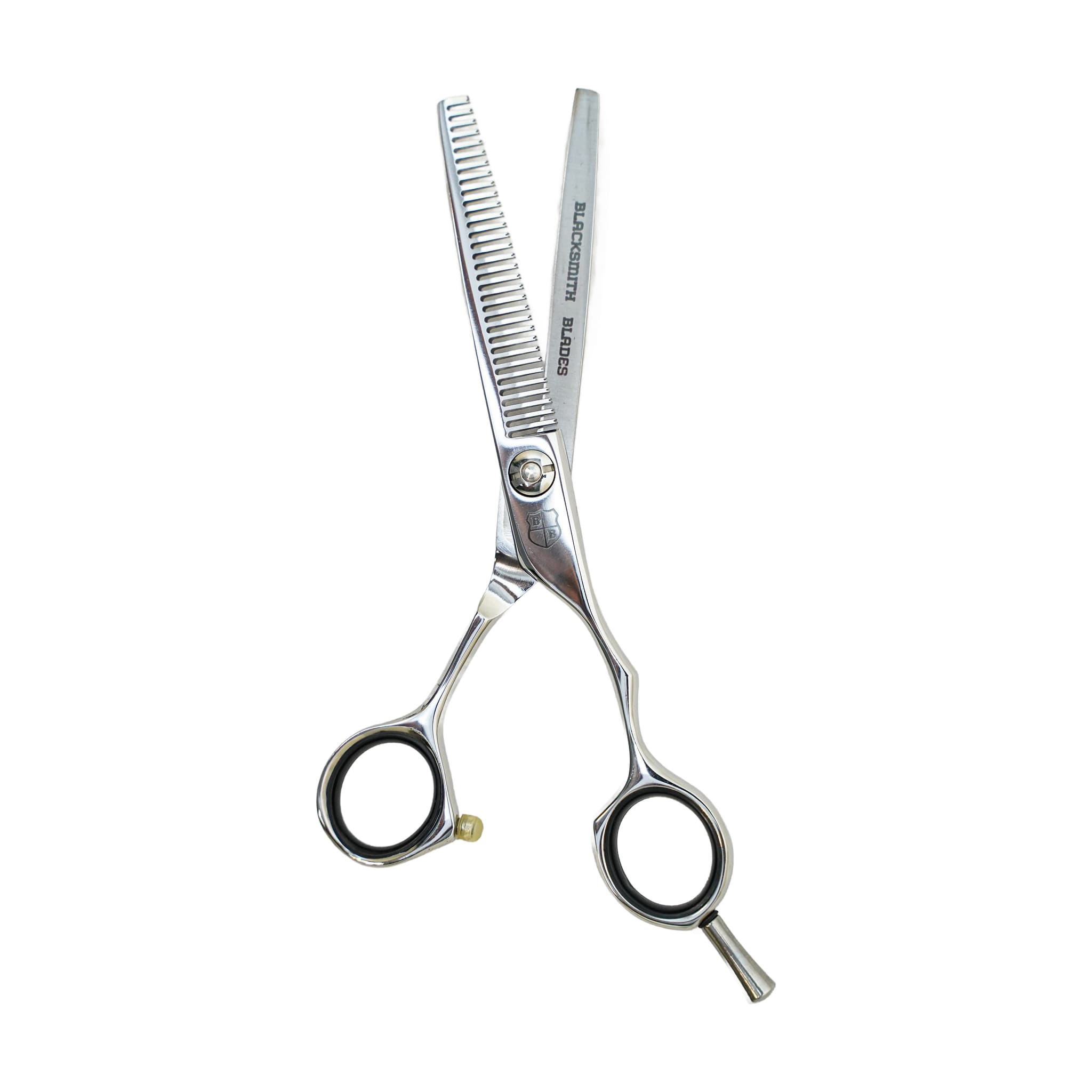
What Is the 9CR 32T Professional Thinning Shear?
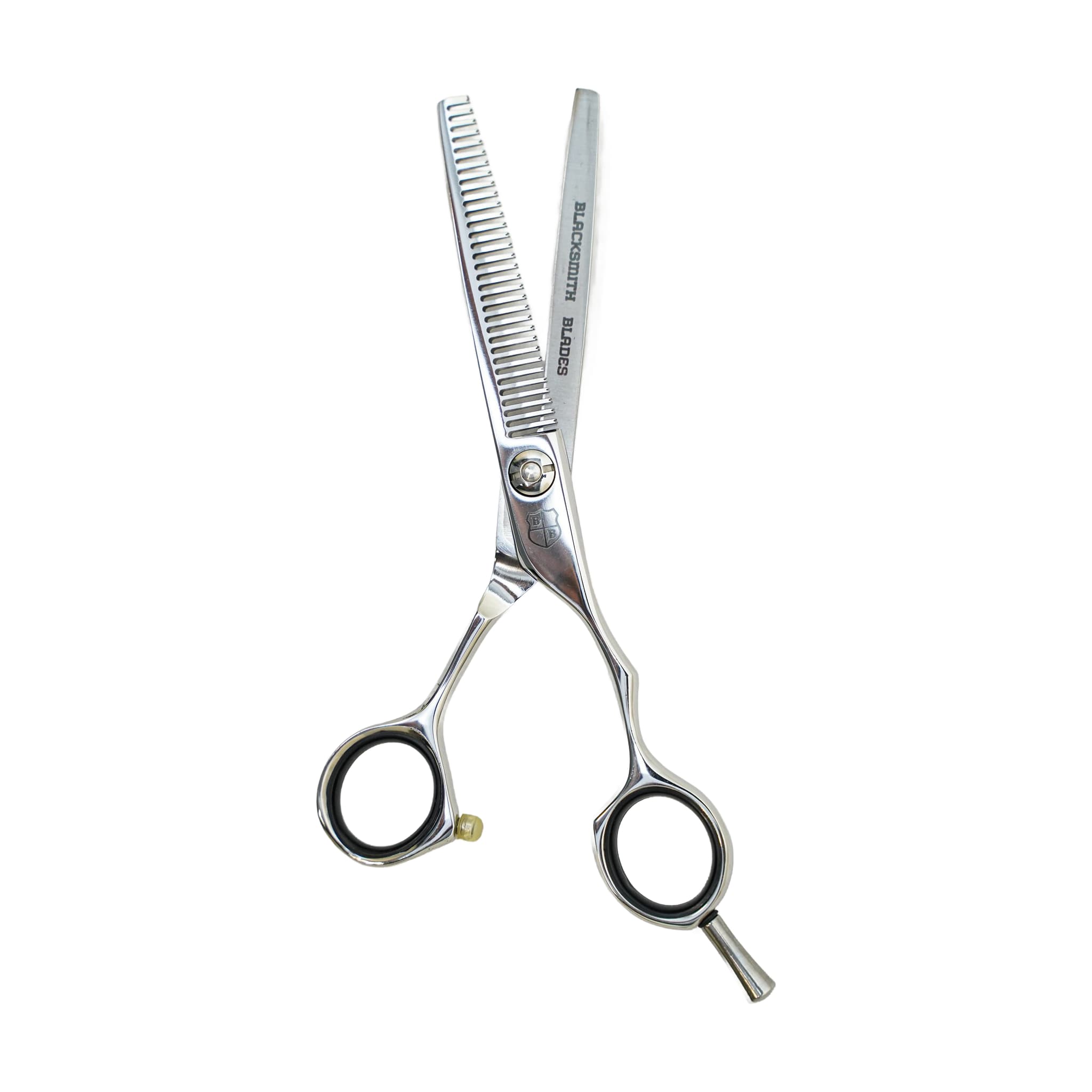
The 9CR 32T Professional Thinning Shear is a 32-tooth thinning shear made from 9CR steel for salon and barber work. It gives stylists, barbers, salon owners, students, and experienced hairdressers a controlled blending tool for everyday use.
A shear with more teeth generally removes less hair per closure and creates a softer blend, while a shear with fewer or wider teeth removes more hair and creates stronger texture. That is why a 32-tooth shear behaves differently from a lower-tooth chunker — both can be useful, but they should not be used the same way. The 9CR 32T sits in the controlled-blending range, making it well suited to softening weight lines, blending transitions, and refining a finished haircut rather than aggressively removing bulk.
Decide the Purpose Before You Cut
Before you pick up a thinning shear, identify exactly what you are trying to change. Are you reducing density, softening a line, blending a transition, or creating movement? Each goal requires different placement and sometimes a different tool entirely. If the purpose is unclear, step back and evaluate the haircut before cutting more.
Random cuts may remove hair, but they rarely improve the haircut. The goal should always be clear before you close the shear. Because a 32-tooth shear removes less hair per closure and produces a softer blend than a lower-tooth chunker, it rewards deliberate, purposeful placement rather than broad sweeping passes.
Prepare: Assess the Haircut Before Reaching for the Shear
Before you reach for the 9CR 32T, look at the haircut from a distance. Identify where the shape is heavy and where the hair needs to stay strong. This step is not optional — removing weight without a plan can weaken the perimeter, create frizz, or leave visible holes in the haircut.
If the shape itself is wrong, fix the shape first. Thinning shears are a refinement tool, not a substitute for the haircut. Trying to correct a structural problem with a thinning shear usually makes things worse, not better.
Placement Technique: Where to Use the 9CR 32T and Where to Avoid
Clean sectioning is the foundation of controlled thinning. It gives you precise control over where the shear is working and helps you avoid cutting the same area repeatedly without realizing it. After each pass, comb through the section and evaluate the shape before making another cut — hair can look different after it settles back into position.
Stay away from the scalp unless you have a specific reason and a clear plan. Cutting too close to the scalp with thinning shears can create short interior pieces that push hair outward or cause frizz. Most controlled thinning happens through mid-lengths and selected weight areas, not randomly at the root.
Be equally careful near the ends. Removing too much hair near the perimeter can make the ends look thin or weak. The best thinning work is often invisible — your client sees a better shape and softer movement, not obvious chunks missing from the haircut.
Adapting Technique by Hair Type
Your approach with the 9CR 32T should change depending on the hair in front of you. Good stylists adapt the tool to the hair type rather than applying the same thinning pattern to every client.
- Fine hair: Use extra restraint. Fine hair can look thin very quickly, and mistakes are more visible on this hair type than on any other.
- Curly hair: Place the shear carefully. Short interior pieces created by thinning can expand as the curl forms, pushing outward and creating frizz.
- Thick, dense hair: This hair type may tolerate stronger texture work, but you should still work in controlled passes rather than removing large amounts at once.
- Fragile or damaged ends: Removing too much weight from fragile ends can make the hair look weaker. Sometimes a cleaner cut or a treatment plan is the better answer rather than more thinning.
Common Mistakes and How to Avoid Them
The most common thinning-shear mistakes come from over-thinning and poor placement. Recognizing these patterns in your own work is the first step to correcting them.
- Over-thinning: This usually happens when a stylist tries to fix bulk without changing structure. Sometimes the better answer is a stronger layer, a different sectioning pattern, or a cleaner baseline — not more passes with the thinning shear.
- Visible chunks or holes: If your client can see chunks, holes, or weak ends, the tool was probably overused. Stop, comb through, and evaluate before continuing.
- Using thinning as a structural fix: Texturizing cannot fix a poorly built shape. Your goal is movement and balance, not maximum hair removal.
- Cutting near the scalp without a plan: Short interior pieces created too close to the root can push outward and create frizz. This is one of the most common placement mistakes.
- Ignoring hair type: Fine, curly, and damaged hair all require extra restraint because mistakes are more visible on these hair types.
Caring for the 9CR 32T Professional Thinning Shear
Thinning shears collect hair and product between the teeth during use. If that buildup is ignored, the shear can start to drag or feel inconsistent. Cleaning between uses is especially important for thinning shears because of the teeth — more surfaces means more places for debris to accumulate.
Oil the pivot regularly and store the shear where the teeth cannot be damaged. A nicked tooth can change the way the tool performs and may cause pulling during use.
When the shear starts to snag, pull, or feel rough during use, that is a signal that professional sharpening is needed. Thinning shears require careful service because the teeth and the cutting edge must work together correctly. For daily care guidance and advice on when to seek professional sharpening, the Blacksmith Blades maintenance guides are a useful reference.
Ready to Work With the 9CR 32T?
The 9CR 32T Professional Thinning Shear is a practical, controlled blending tool for stylists, barbers, students, and salon professionals who want reliable results from a 32-tooth shear. When you apply the technique principles in this guide — clear purpose, deliberate placement, hair-type awareness, and consistent maintenance — the tool works with your haircut rather than against it. Visit the product page to learn more or add it to your kit.
Related resources
Sources
- 9CR 32T Professional Thinning Shear - Blacksmith Blades
- How to Use Texturizing and Thinning Shears Like a Professional - Blacksmith Blades
- Mastering the Art of Texturizing and Thinning Shears - Blacksmith Blades