October 14, 2026/4 min read
How to Clean, Oil, and Store the 9CR 32T Professional Thinning Shear After Every Session
Your 9CR 32T Professional Thinning Shear needs a consistent post-session routine — wipe the blades and teeth, oil the pivot, check tension, and store it safely — to keep the pivot smooth and the edge clean between sharpening services.
Why the 9CR 32T Needs a Post-Session Care Routine
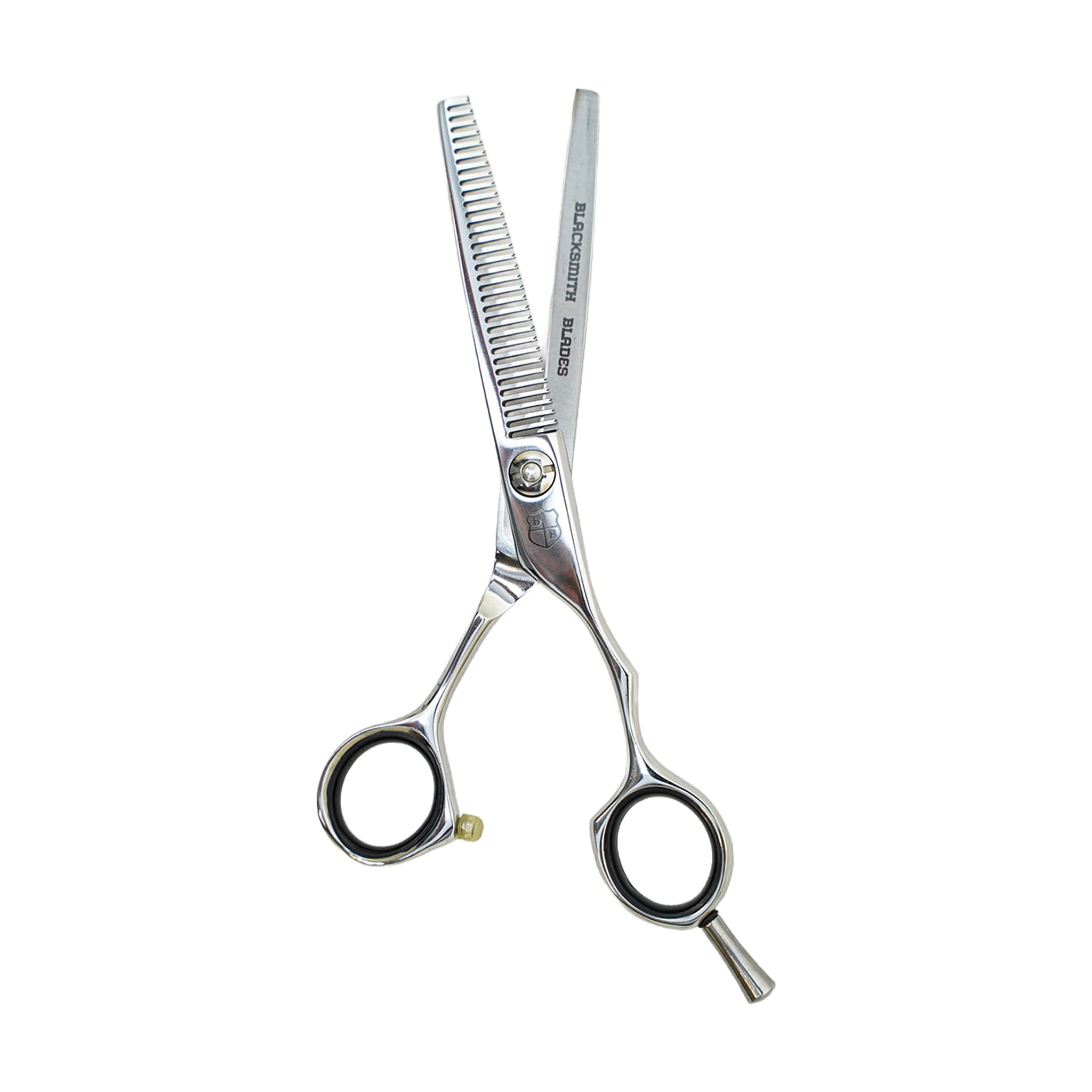
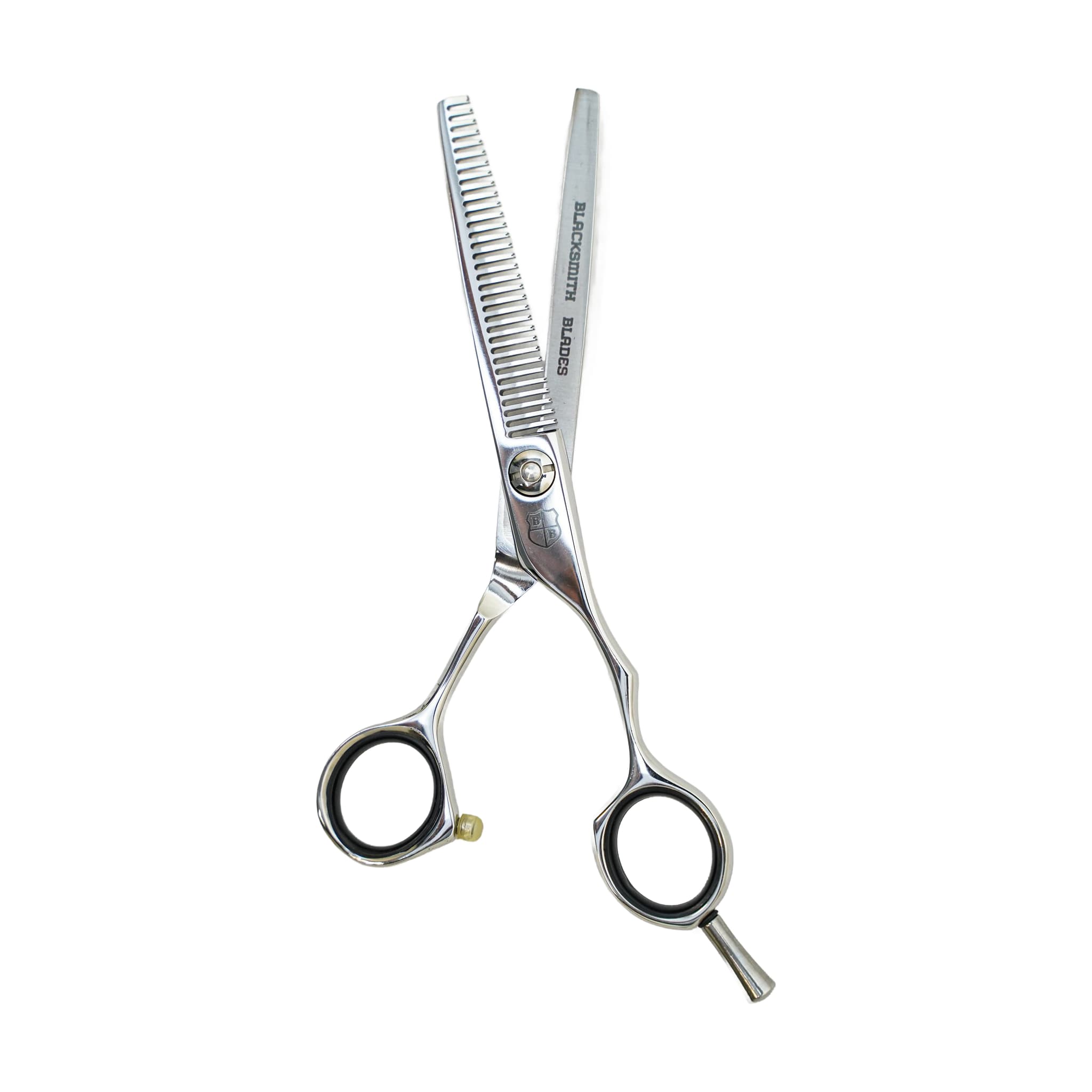
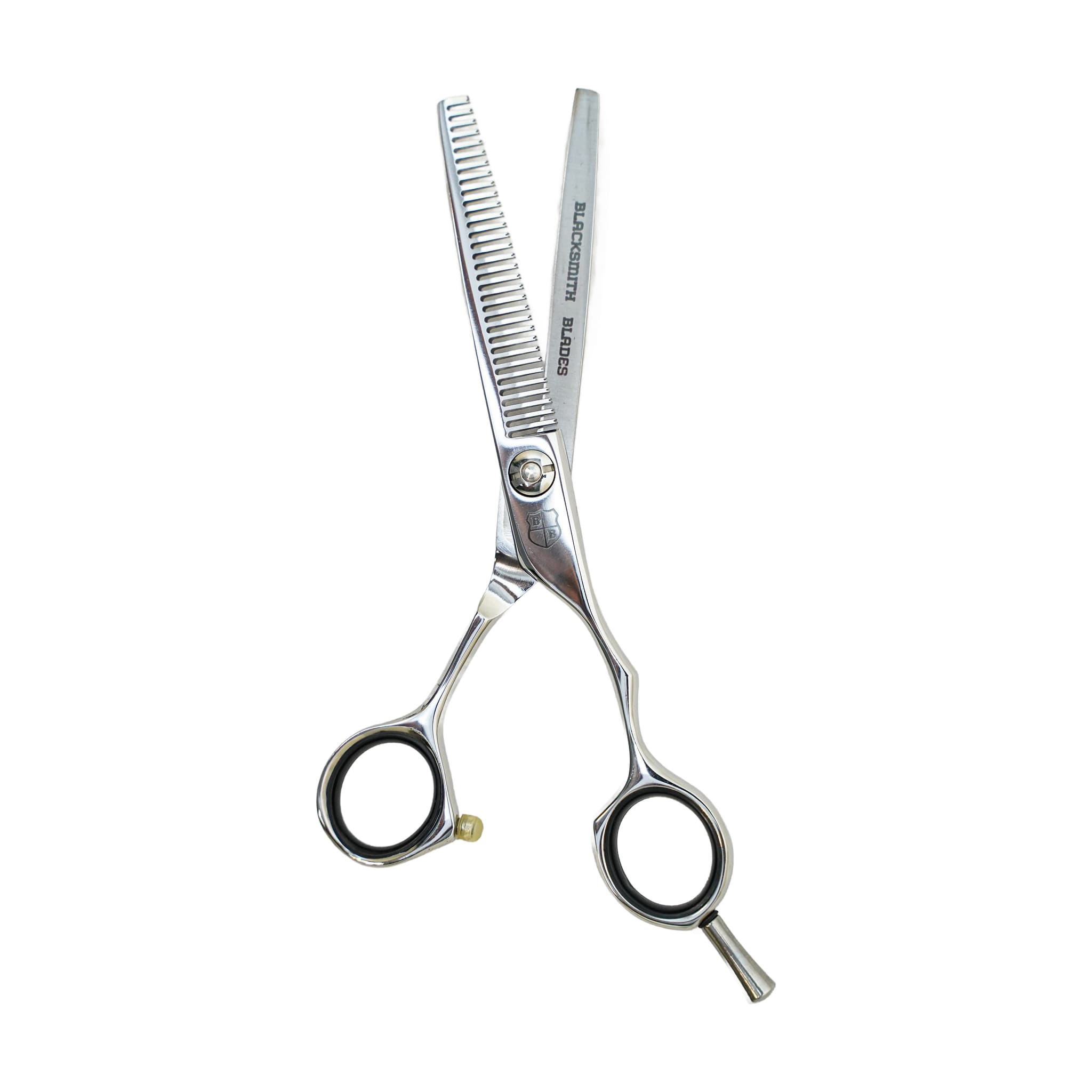
The 9CR 32T Professional Thinning Shear is a 32-tooth thinning shear made from 9CR steel, available in left- and right-handed handle variations. Because of its toothed blade, it has more surfaces where hair and product can collect than a straight cutting shear does.
Thinning and texturizing shears collect hair and product between the teeth, and if that buildup is left unaddressed the shear can start to drag or feel inconsistent. Residue from hair, product, moisture, and disinfectant can settle near the blades and pivot over the course of a shift, so clearing it away after each session helps the blades continue to move smoothly.
Wipe the Blades and Clear the Teeth
The first step after your session is removing loose hair and product residue from the blades and from between the teeth. Cleaning between uses is especially important for thinning shears because of the buildup that collects in those spaces. Wiping the blades clean is a standard part of the daily care checklist.
Before you oil the pivot or check tension, clear any loose hair and product from around the pivot area. Starting with a clean shear gives you a more accurate read on how the tool is actually moving.
Oil the Pivot
Once the blades and pivot area are clean, apply a small amount of shear oil at the pivot. This helps the blades move cleanly and reduces unnecessary friction. Daily working shears benefit from regular pivot oiling, particularly after cleaning or disinfecting.
After applying oil, open and close the shear several times to work the oil through the pivot. Oiling before you judge the final feel of any tension adjustment also helps you get a more accurate result, so it makes sense to oil first and then move on to your tension check.
Check Tension as Part of the Routine
With the pivot oiled, you can do a quick tension check. Hold the shear open, lift one handle, and allow it to fall closed on its own. The blades should neither drop shut with force nor remain fully open — somewhere between those two points is where tension is correctly set.
A tension problem usually shows up as a change in feel rather than something you can see. Watch for these signs:
- The shear pulls or grabs hair near the tip.
- Your hand works harder than normal to close the blade.
- The shear feels heavy, rough, or tiring — which can indicate the tension is too tight.
- Hair bends between the blades instead of cutting cleanly — which can indicate the tension is too loose.
If you need to adjust, make small changes and test again before returning to client work. Stop if the screw, ride line, or blade feels damaged. If tension adjustment does not resolve folding, pushing, pulling, or rough cutting, the shear should go for professional service rather than further at-home adjustment.
Store the Shear Safely
After your care routine, how you store the shear matters. Damage from a drawer edge, a hard counter surface, or a dropped tool can change how the shear cuts. For a thinning shear, a nicked tooth can change the way the tool performs and may cause pulling.
- Store your shear in a case or protected holder after every session.
- Do not toss it loose into a drawer or bag where the teeth and blade tips can contact other tools.
- Use the shear only on hair — paper, tags, thread, and packaging can dull or damage the edge quickly.
When to Send the 9CR 32T for Professional Sharpening
Your post-session routine keeps the pivot clean and the edge in good condition between services, but it does not replace professional sharpening. When the shear starts to snag, pull, or feel rough despite cleaning and correct tension, professional sharpening is the appropriate next step. Thinning shears require careful service because the teeth and the cutting edge must work together.
If tension adjustment alone does not stop folding, pushing, pulling, or rough cutting, send the shear for professional service rather than continuing to adjust. You can view the 9CR 32T Professional Thinning Shear product page to find service options and shear details.
Related resources
Sources
- 9CR 32T Professional Thinning Shear - Blacksmith Blades
- Adjusting Shear Tension - Blacksmith Blades
- Daily Shear Care and Storage - Blacksmith Blades
- How to Use Texturizing and Thinning Shears Like a Professional - Blacksmith Blades