November 3, 2026/3 min read
Your End-of-Shift Routine for the 9CR 6.5 Professional Cutting Shear
A short closing routine for your 9CR 6.5 Professional Cutting Shear: wipe it down, oil the pivot, read changes in cutting feel, and use protected storage and hair-only cutting to address the storage and misuse behind most preventable damage.
Start by wiping down what the day left behind
Over a working day, hair, styling product, moisture and disinfectant residue can collect around the blades and the pivot of a professional hair shear. When your last client leaves, wiping the shear down is the first step of your closing routine. It protects the finish and helps the blades keep moving smoothly.
Oil the pivot once the shear is clean
After the wipe-down, put a small amount of oil at the pivot. It helps the blades move cleanly and cuts down on unnecessary friction. Then open and close the shear to work the oil through the pivot.
Shears that work every day benefit from regular pivot oiling, and it is especially worthwhile after you have cleaned or disinfected your shear. Oil also makes tension checks more accurate, and the tension check itself calls for oiling the pivot before you judge the final feel.
When the cut feels different, check tension before blaming the edge
Tension controls how the two blades meet. When it is off, even a sharp shear can fold, push or pull hair, and the shear may still look perfectly fine. The clue is usually in the feel of your cut.
- An inconsistent cut
- Hair pulled or grabbed near the tip
- Your hand working harder than usual to close the blade
Direction matters too. Tension that is too loose can bend hair between the blades, while tension that is too tight can leave the shear feeling heavy, rough, tiring or even dull when the edge is still usable. That is why a change in feel is a good reason to check tension before you assume the shear needs sharpening.
To prepare, clean loose hair and product away from the pivot and add a small amount of shear oil there, since oil makes the check more accurate and you should oil before judging the final feel. Then open the shear, raise one handle and let it close naturally. It should neither slam shut nor stay wide open.
If an adjustment is needed, make it small and test again before you cut hair. Try it on clean hair or a test fiber before client work, and avoid over-tightening, which causes drag and hand fatigue.
Know when to stop adjusting and send it for service
Stop if the screw, the ride line or the blade feels damaged. And if your tension adjustments do not end the folding, pushing, pulling or rough cutting, the next move is to send the shear for service rather than keep adjusting it.
Store it protected and keep it to hair
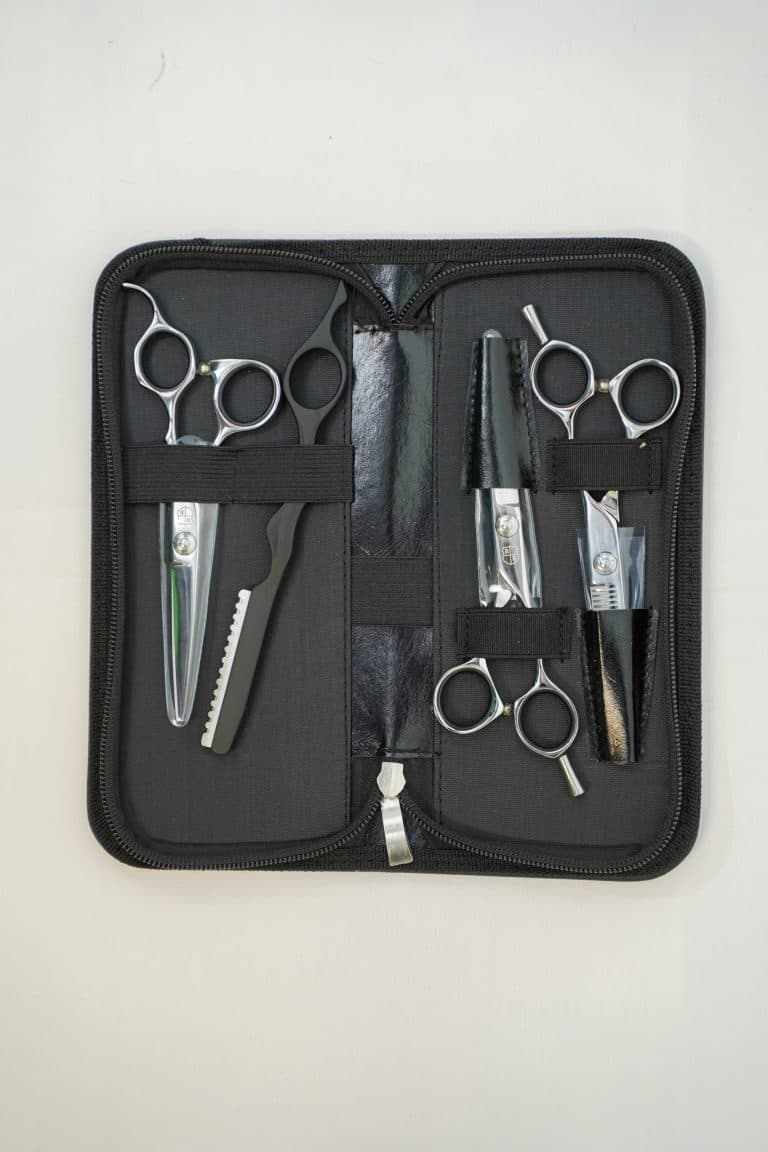
Most preventable shear damage comes from storage and misuse. A small nick from a drawer, a counter or a drop can change how your shear cuts. Keep it in a case or another protected holder, and avoid tossing it loose into a drawer or bag. A case, wallet or holder should keep the blades and tips from touching your other tools.
Reserve your shear for hair. Paper, tags, thread, packaging and fabric can dull or damage the edge quickly.
Why the routine suits this particular shear
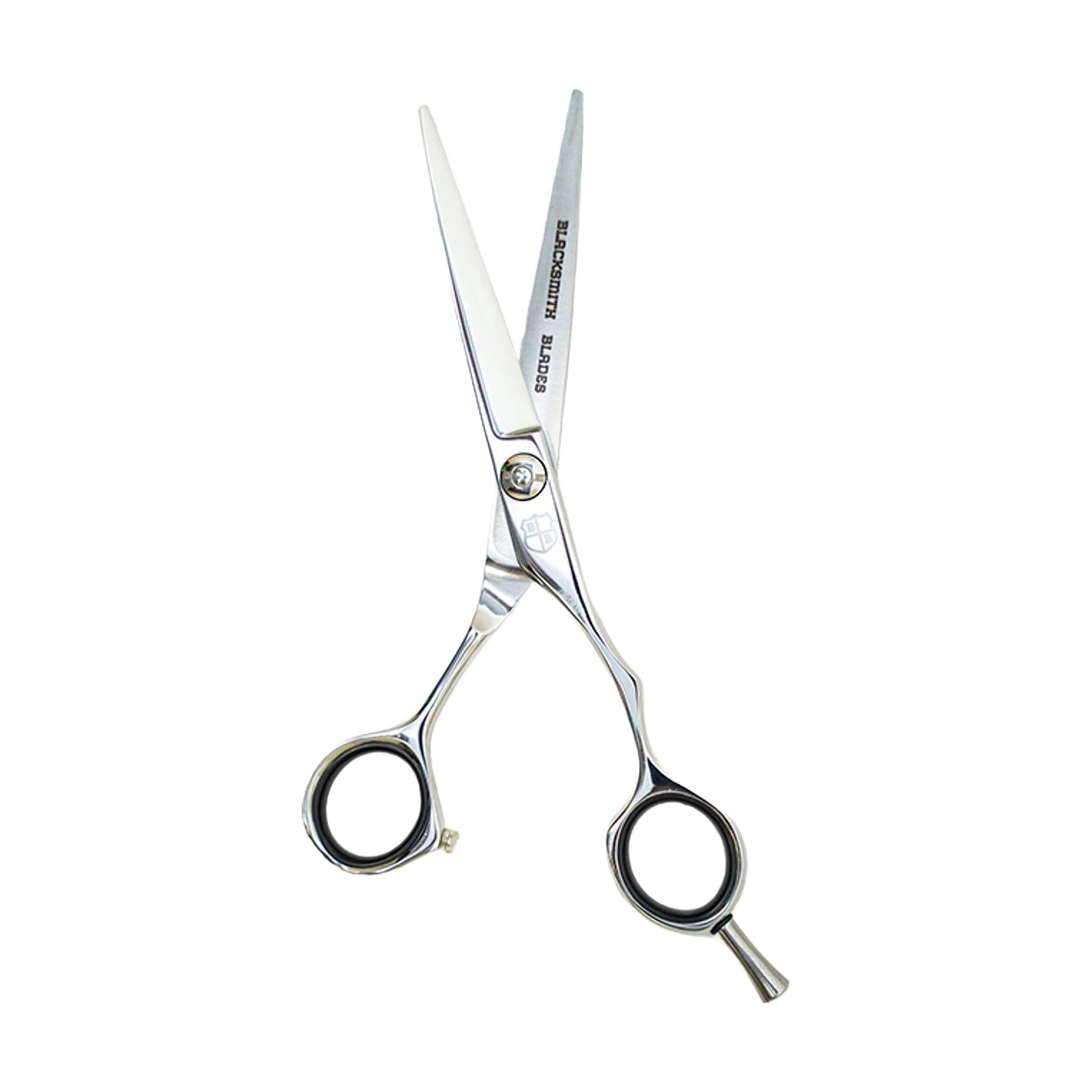
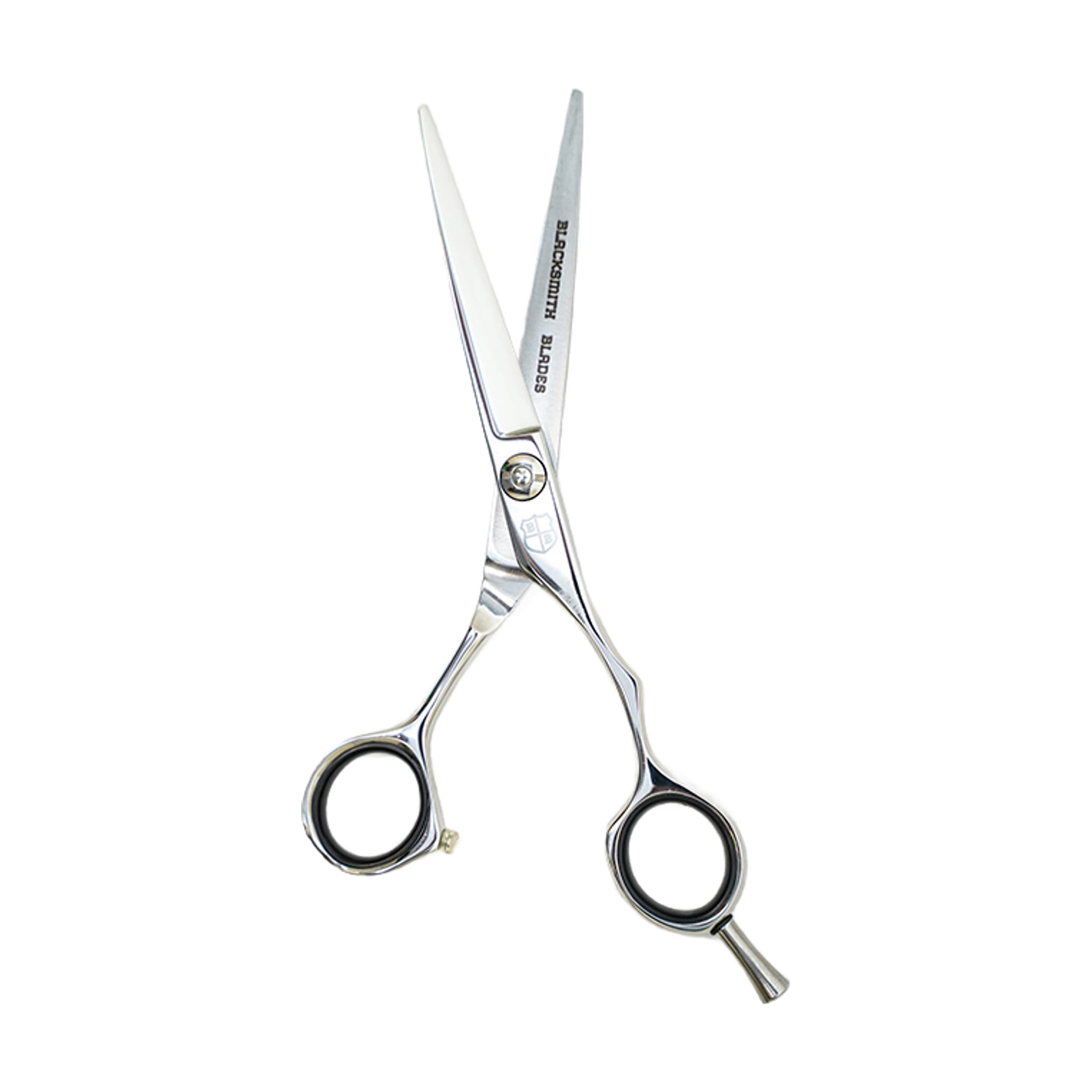
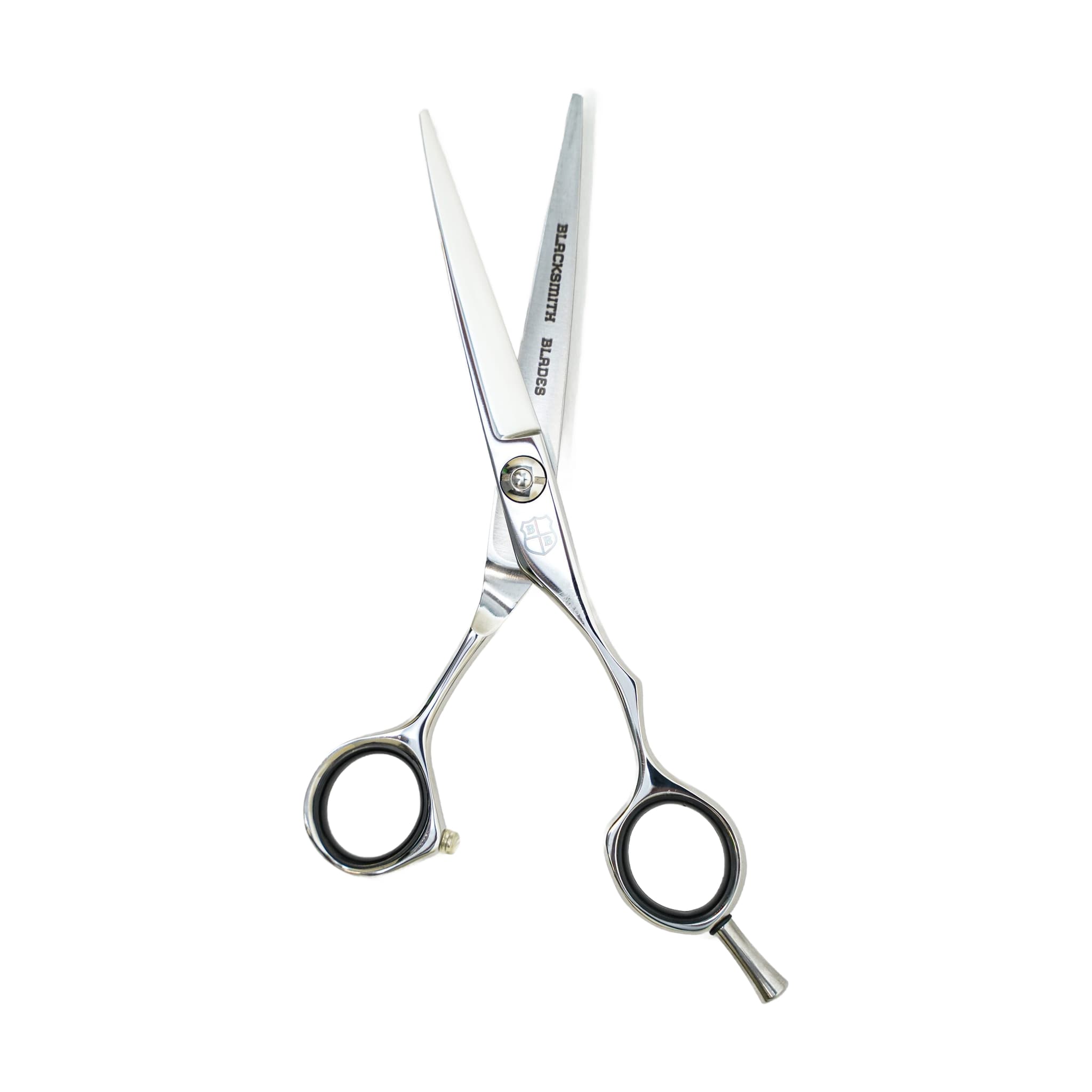
The 9CR 6.5 is a 6.5-inch shear for longer sections and scissor-over-comb work, available in left- and right-handed options. It is positioned as an affordable shear built to be effective like higher-end shears, often used as an academy shear and by working professionals, and it is suited to students starting training on a limited budget.
Blacksmith Blades shear-selection advice places 9CR as a professional middle ground and notes that lower-cost shears can do better than expected when they are cared for properly. That makes the wipe, oil and protected-storage routine a sensible part of your close of day.
If you are ready to see the shear itself, you can view the 9CR 6.5 Professional Cutting Shear and its handed options on its product page.
Related resources
Sources
- 9CR 6.5 Professional Cutting Shear - Blacksmith Blades
- Adjusting Shear Tension - Blacksmith Blades
- Daily Shear Care and Storage - Blacksmith Blades
- Different Types of Haircutting Shears and How to Choose the Right Pair - Blacksmith Blades