October 20, 2026/4 min read
Your End-of-Shift Routine for 440C Orchid Blade Thinning Shears
Wipe, oil, check the feel, and store: a short closing routine you can run on your 440C Orchid Blade Thinning Shears, plus when to stop adjusting and when to send them for service.
Start by clearing the teeth and wiping the shear down
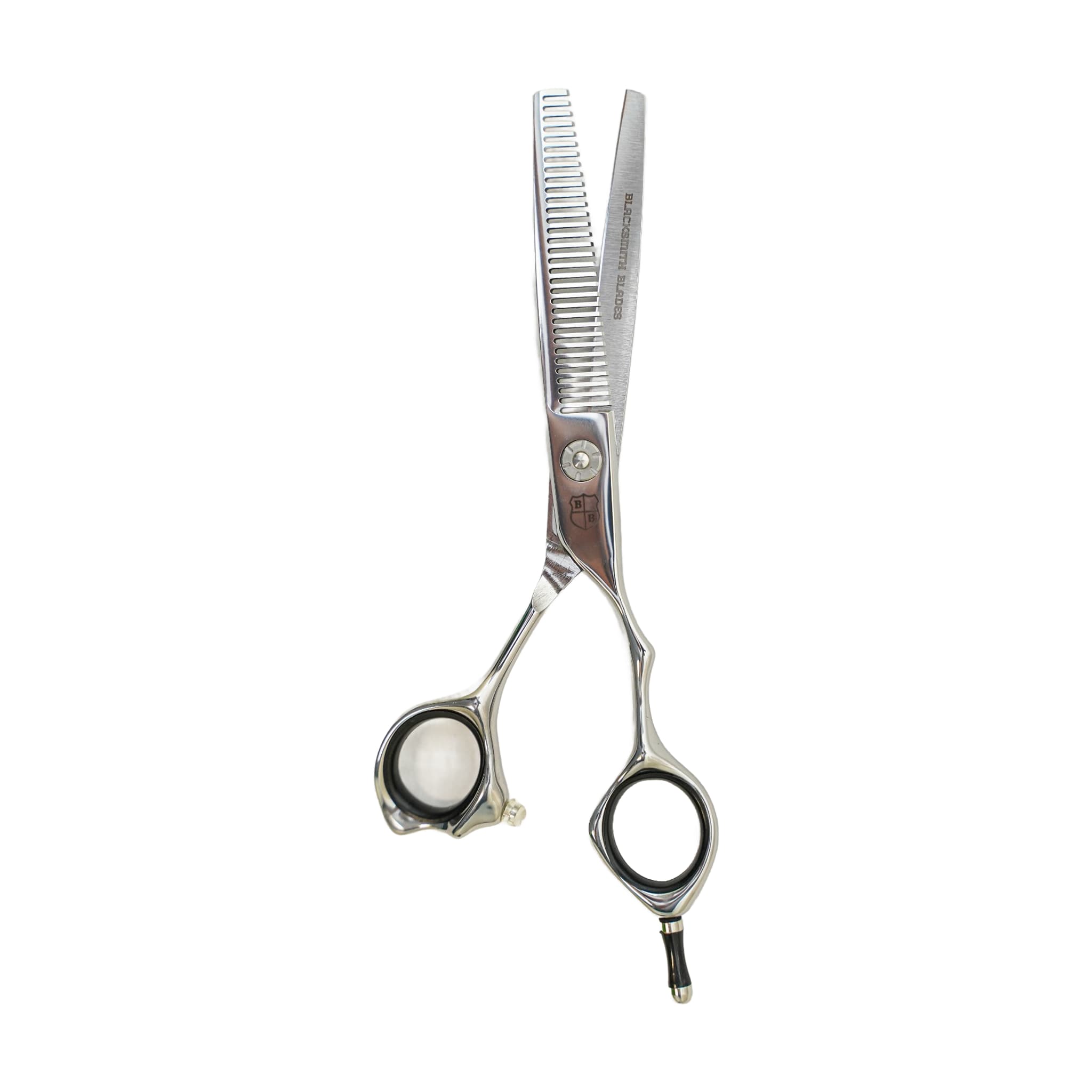
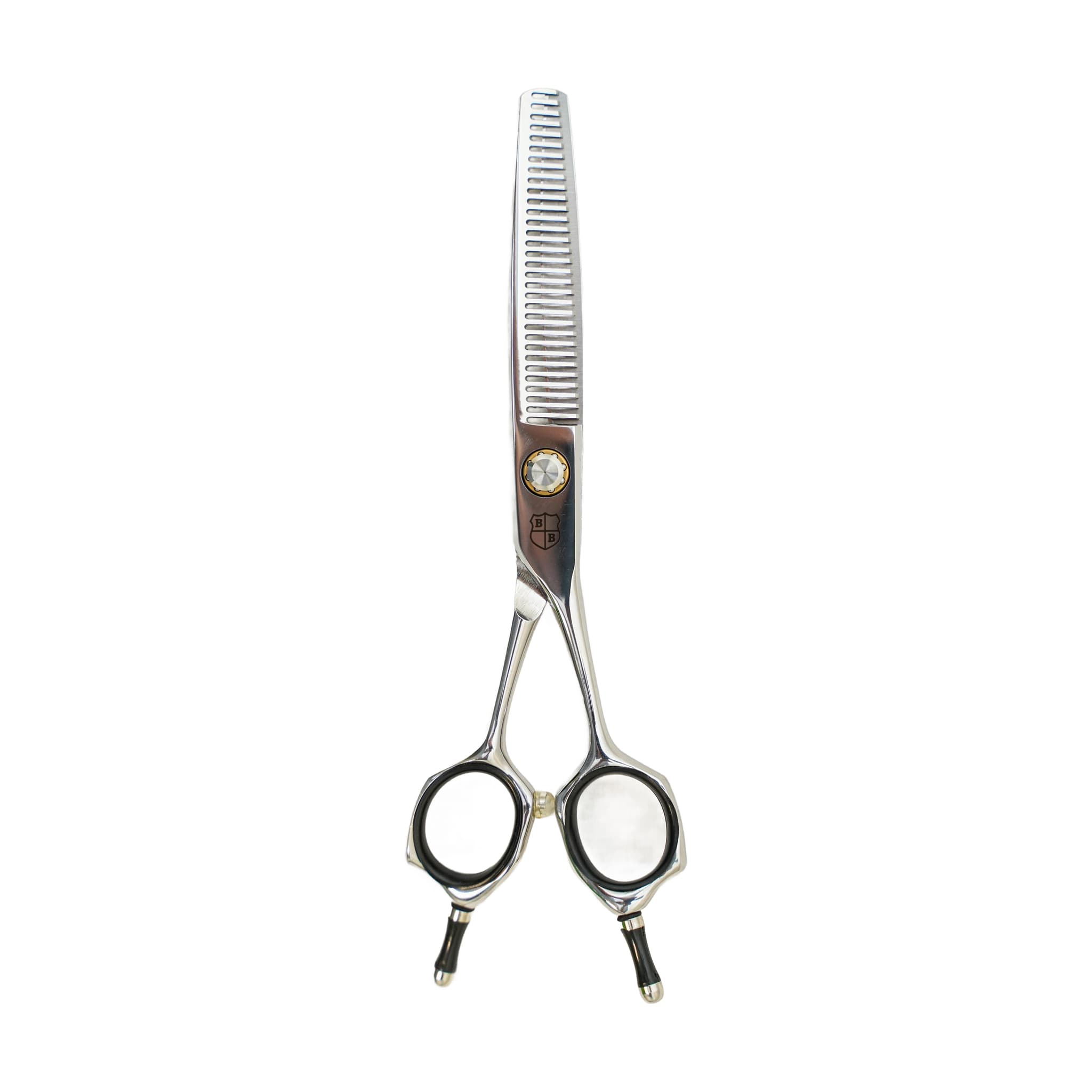
The Orchid is a 440C thinning shear from the 440C Professional Line, and it comes with either a left- or right-handed handle. This routine is about what you do with it once the last client has left: clean it, oil it, confirm the feel, and put it away safely.
Begin with the teeth. Thinning shears hold onto hair and styling product between their teeth, and if you leave that buildup in place, the shear can drag or feel inconsistent the next time you pick it up. Cleaning between uses matters more with a thinning shear than with many other tools.
Then wipe down the whole shear, paying attention to the blades and the pivot. Loose hair, styling product, moisture and leftover disinfectant can gather in those areas. Wiping after use protects the finish and helps the blades move smoothly.
Oil the pivot before you judge how the shear feels
Once the shear is clean, put a light touch of oil on the pivot, then open and close the blades several times to work it in. This lets the blades travel cleanly with less friction. If you use your shears daily, this step is especially worthwhile after cleaning or disinfecting.
Do the oiling before any tension judgment. Oil makes a tension check more accurate, so you should evaluate the final feel only after the pivot has been oiled.
Run a quick tension check when the shear feels different
A change in feel is your cue to check tension. Look for cutting that seems inconsistent, pulling or grabbing near the tip, or your hand having to work harder to close the blades. These are signs worth noticing, and they are not the only moments you can check.
For a basic check, open the shear, lift one handle, and let the blades close on their own. They should not slam shut, and they should not stay wide open either.
If you decide to adjust, go in small steps and retest after every one. Use clean hair or a test fiber before the shear goes back to client work. If the shear starts to feel rough or forced, stop there.
Know when to stop adjusting and when to send the shear in
These are two separate decision points, and you can treat them that way.
- Stop adjusting: if anything about the screw, the ride line, or the blade feels damaged, put the tools down and make no further changes.
- Send for service: if your tension changes have not resolved folding, pushing, pulling, or rough cutting, the shear should go to service.
Store the shear where the teeth stay protected
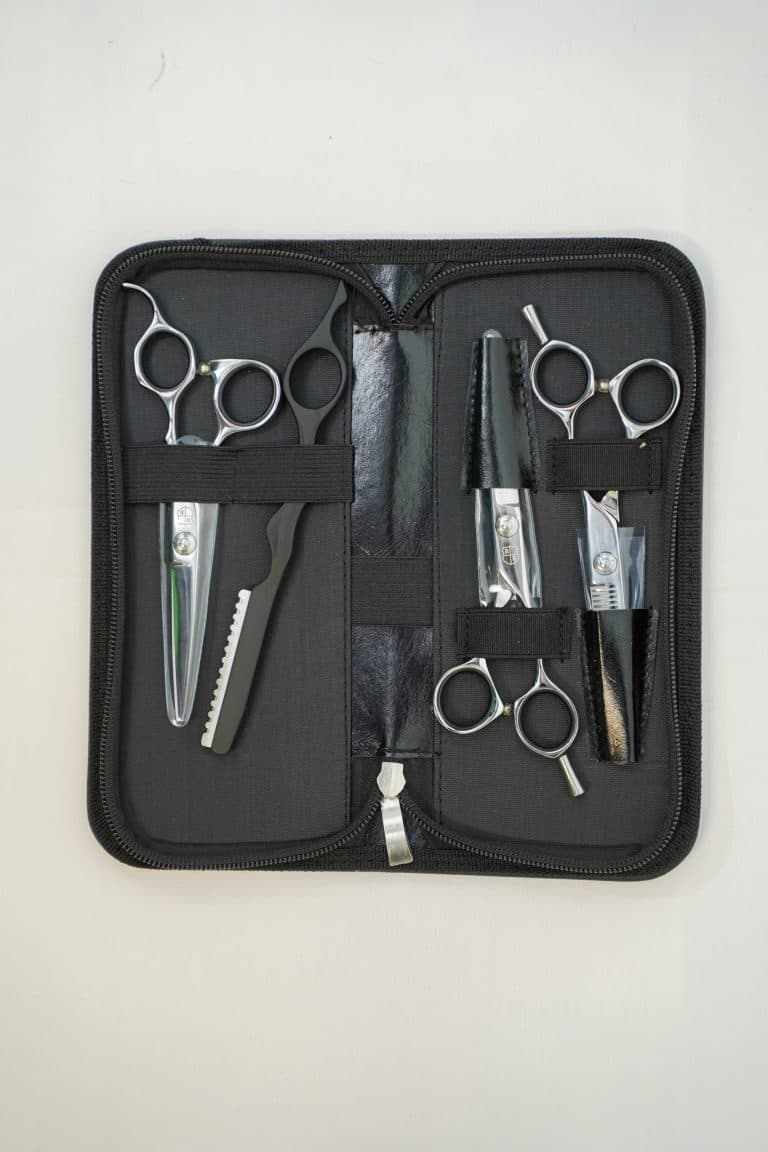
Put your Orchid in a case or a protective holder instead of letting it rattle around loose in a drawer or bag. A wallet-style holder keeps the blades and tips from touching your other tools.
The reason to be careful is that a small nick from a drawer, a counter, or a drop can change how a shear cuts. On a thinning shear, a nicked tooth can change how it performs and may cause pulling, so keep the teeth out of harm's way.
Reserve your shears for hair. Cutting paper, tags, thread, or packaging can quickly dull or damage the edge.
Your closing routine at a glance
- Clear hair and product from between the teeth, then wipe the blades and pivot.
- Oil the pivot and open and close the shear to work the oil through.
- If the feel has changed, check tension by letting the blades close from a raised handle, adjusting in small steps, and retesting on clean hair or test fiber.
- Stop adjusting if the screw, ride line, or blade seems damaged; send the shear for service if tension changes do not resolve folding, pushing, pulling, or rough cutting.
- Store the shear in a case or protective holder, away from your other tools.
If you are ready to see the shear this routine is written for, you can view the 440C Orchid Blade Thinning Shears on its product page.
Related resources
Sources
- 440C Orchid Blade Thinning Shears - Blacksmith Blades
- Adjusting Shear Tension - Blacksmith Blades
- Daily Shear Care and Storage - Blacksmith Blades
- How to Use Texturizing and Thinning Shears Like a Professional - Blacksmith Blades