October 16, 2026/4 min read
End-of-Shift Shear Care: What to Do When Your 440C Ergonomic Thinning Shears Need Attention
Residue, a dry pivot, an off cutting feel, or loose storage each call for a different response. Here is how to match your end-of-shift care for the 440C Ergonomic Blade Thinning Shears to what you notice.
Start With What You Can See: Residue on the Blades and Teeth
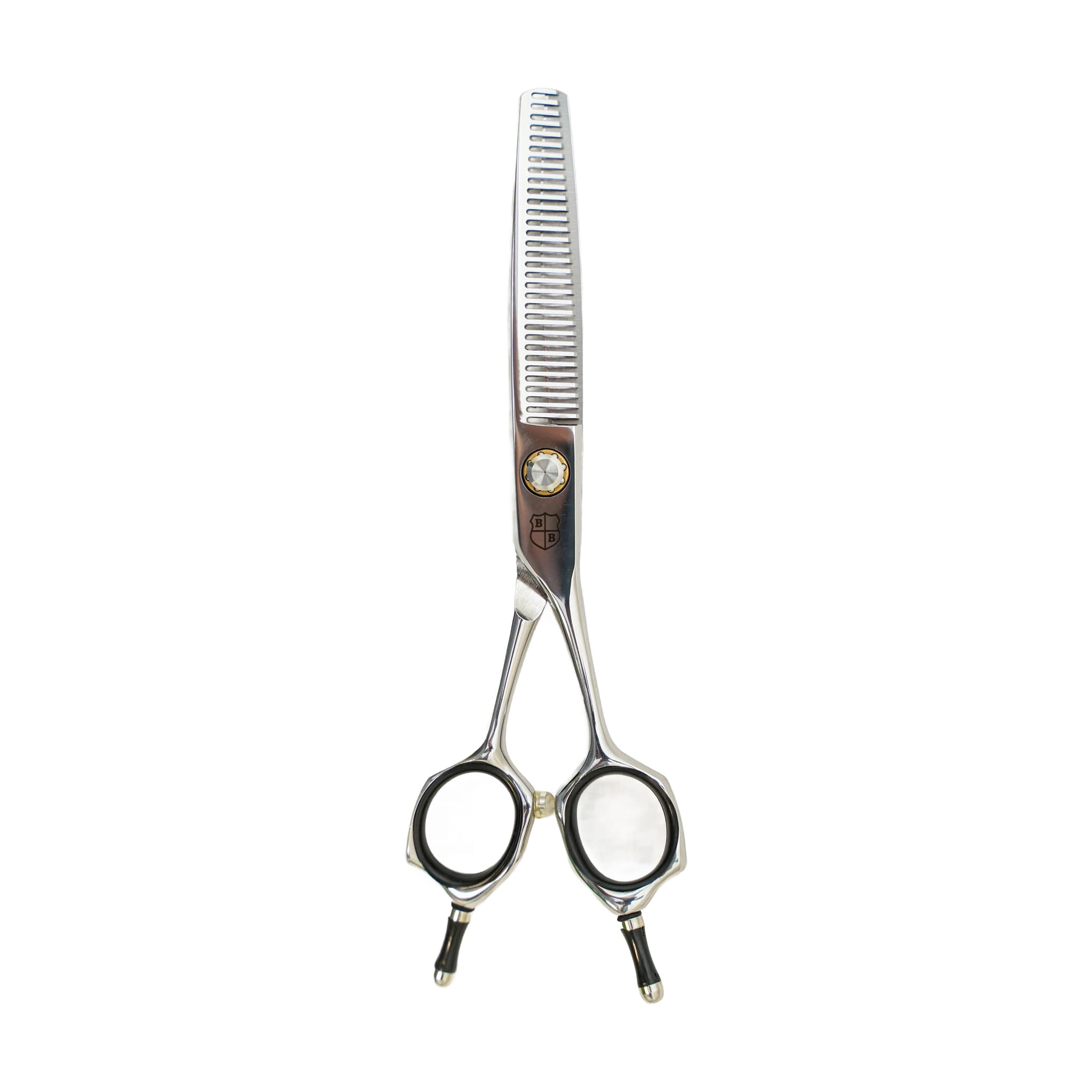
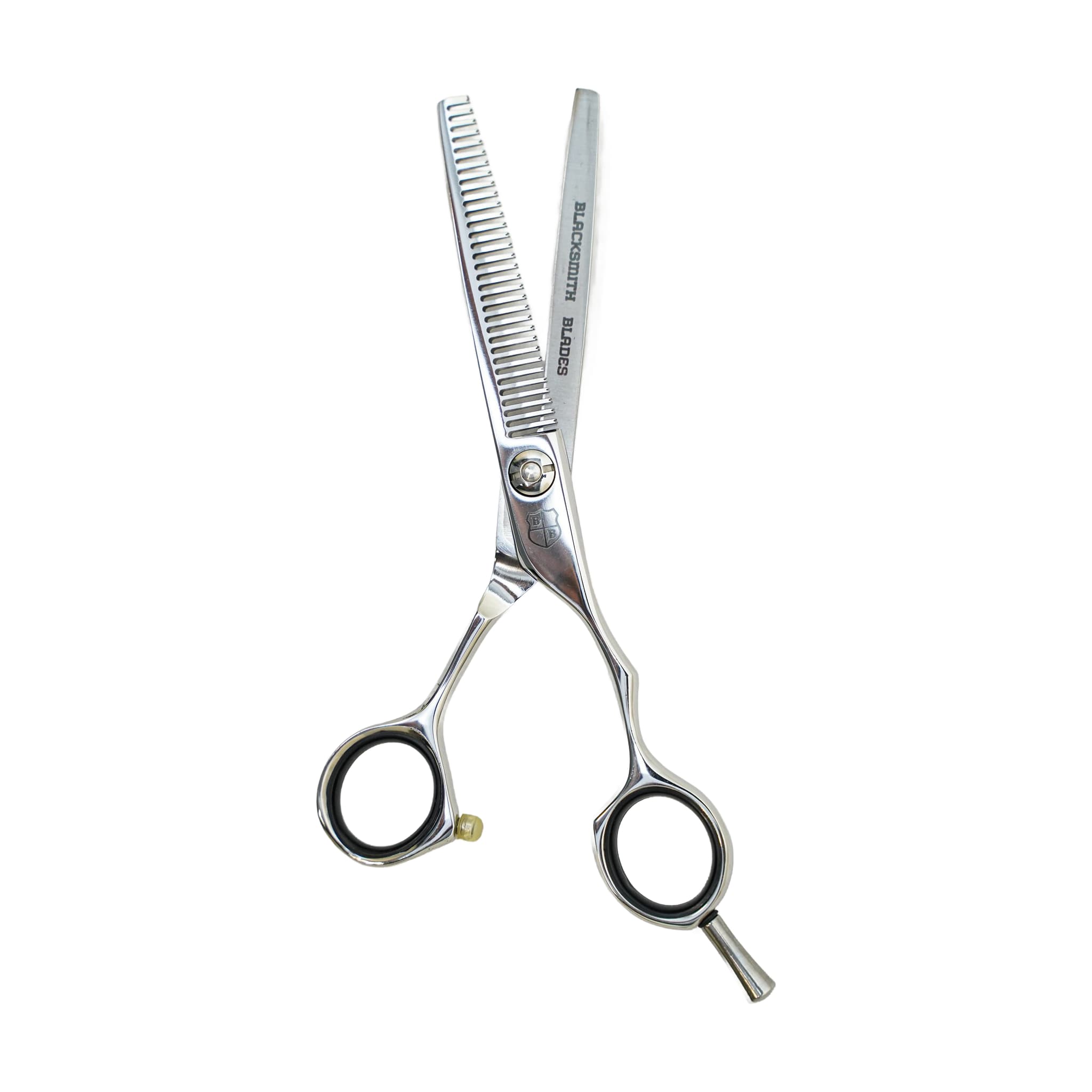
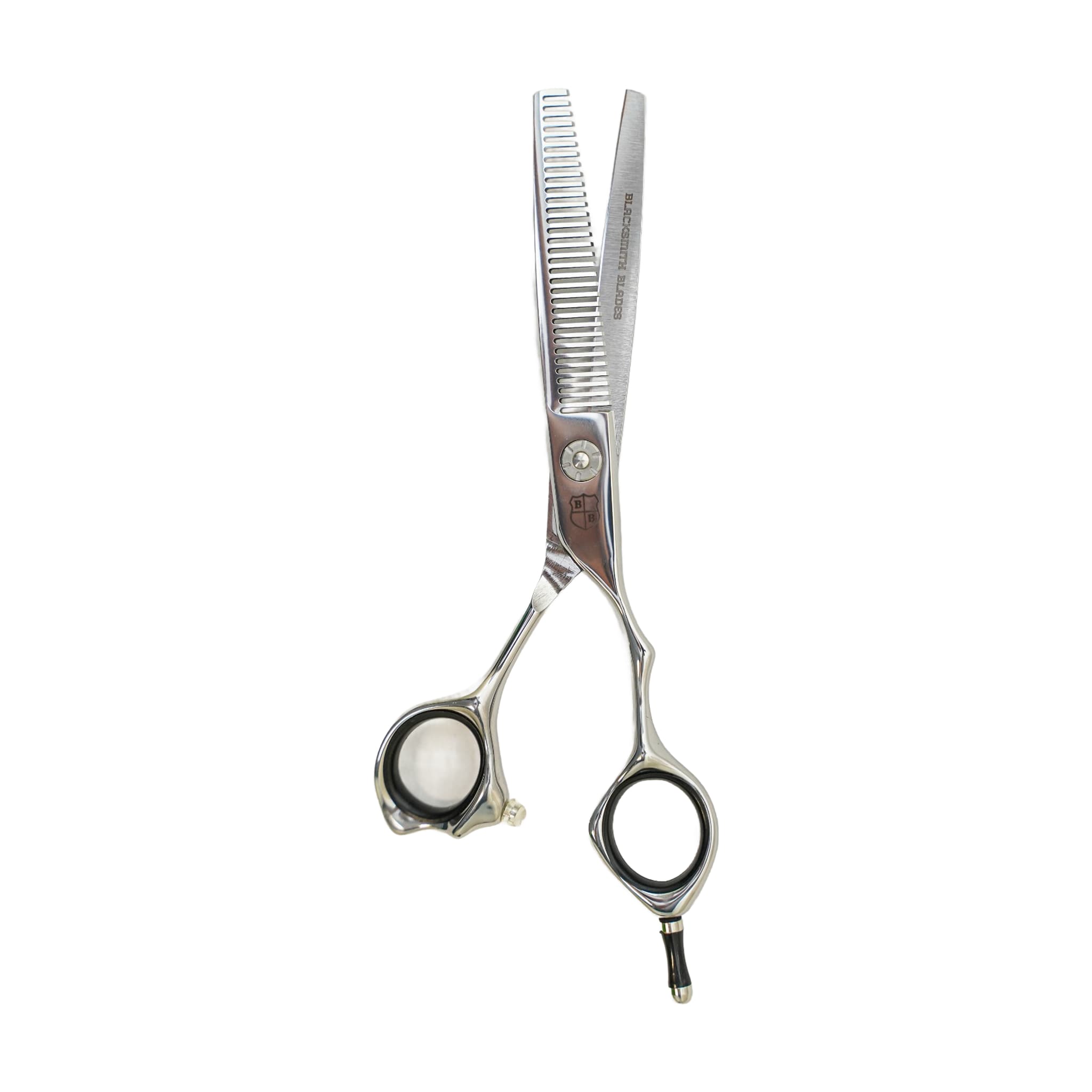
Your 440C Ergonomic Blade Thinning Shears pair 440C steel with an ergonomic handle, and they come in left- and right-handed options. Their job is to soften a line or remove weight once the main shape is established, working in small sections. That kind of work leaves traces on the tool, so the first question at the end of a shift is simple: what is sitting on your shear?
Hair, product, moisture, and disinfectant residue can all collect around the blades and the pivot. Wiping the shear down after you use it protects the finish and helps the blades move smoothly. This is general daily care for professional shears rather than a test on this particular model.
Thinning and texturizing shears add one more spot to watch: hair and product can build up between the teeth. If you leave that buildup alone, the shear can drag or feel inconsistent, so clean it between uses rather than waiting for the end of the week.
If the Pivot Feels Dry, Add a Little Oil
A small amount of oil at the pivot helps the blades move cleanly and reduces needless friction. After you apply it, open and close the shear so the oil works through the pivot. The care guidance does not name an oil product or give an amount, so keep it to a small amount and avoid flooding the joint.
If you use your shears every day, regular pivot oiling is worthwhile, especially after you have cleaned or disinfected them. The guidance does not specify a disinfection method, so follow whatever your salon or barbershop already uses.
Oiling also sets up your next step. Clear loose hair and product from the pivot first, oil it, and only then judge how the shear feels. A tension check made before that point can mislead you.
If the Cut Feels Off, Check Tension Before You Blame the Edge
Tension is the pressure that holds your two blades together as they close, and a shear with the wrong setting can fold, push, or pull hair even when the edge itself is fine. A screw that is too loose lets hair bend between the blades. A screw that is too tight can leave the shear feeling heavy, rough, tiring, or dull. So a dull feel does not automatically mean you need sharpening. This tension advice is general to shears, not specific to this thinning model.
- Open the shear, raise one handle, and let it close on its own. It should not slam shut or hang wide open.
- If it needs a change, make small adjustments and retest after each one.
- Before you go back to client work, test on clean hair or a test fiber.
- Stop if the screw, the ride line, or the blade feels damaged.
Some problems are not tension problems. A nicked tooth can change how a thinning tool performs and may cause pulling, and a shear that snags, pulls, or feels rough may need professional sharpening. If your tension adjustment does not stop the folding, pushing, pulling, or rough cutting, seek service. The guidance gives no sharpening interval, so let how the shear behaves guide you instead of a calendar.
Where Your Shear Spends the Night
Most preventable shear damage comes from storage and misuse. A small nick from a drawer, a counter, or a dropped tool can change how the shear cuts, so put yours in a case or protected holder instead of leaving it loose in a drawer or bag. With a thinning shear, choose a spot where the teeth cannot be knocked or damaged.
Keep your hair shears for hair only. Paper, tags, thread, and packaging can dull or damage a shear edge quickly, so use a different tool for those jobs.
Put the Routine to Work on Your Own Pair
- Residue on the blades or between the teeth: wipe it away before it builds up.
- A dry pivot, especially after cleaning or disinfecting: add a small amount of oil and work it through by opening and closing.
- A dull or heavy feel: check tension gently and retest before blaming the edge.
- Snagging, pulling, or roughness that adjustment does not fix: seek professional service.
- Shift over: store the shear in a case or protected holder.
If you are ready to choose a pair, you can view the 440C Ergonomic Blade Thinning Shears and pick the left- or right-handed option that suits you.
Related resources
Sources
- 440C Ergonomic Blade Thinning Shears - Blacksmith Blades
- Adjusting Shear Tension - Blacksmith Blades
- Daily Shear Care and Storage - Blacksmith Blades
- How to Use Texturizing and Thinning Shears Like a Professional - Blacksmith Blades