November 5, 2026/3 min read
Which Shear Does What: Matching Haircut Jobs to the 440C Ergonomic Cutting/Thinning Set
Sort haircut jobs between the straight cutting shear and the thinning shear in the 440C Ergonomic Cutting/Thinning Set, see where a different tool is needed, and learn how the 5.5, 6 and 6.5 inch sizes fit section type.
What you get in the set and how the two shears split the work
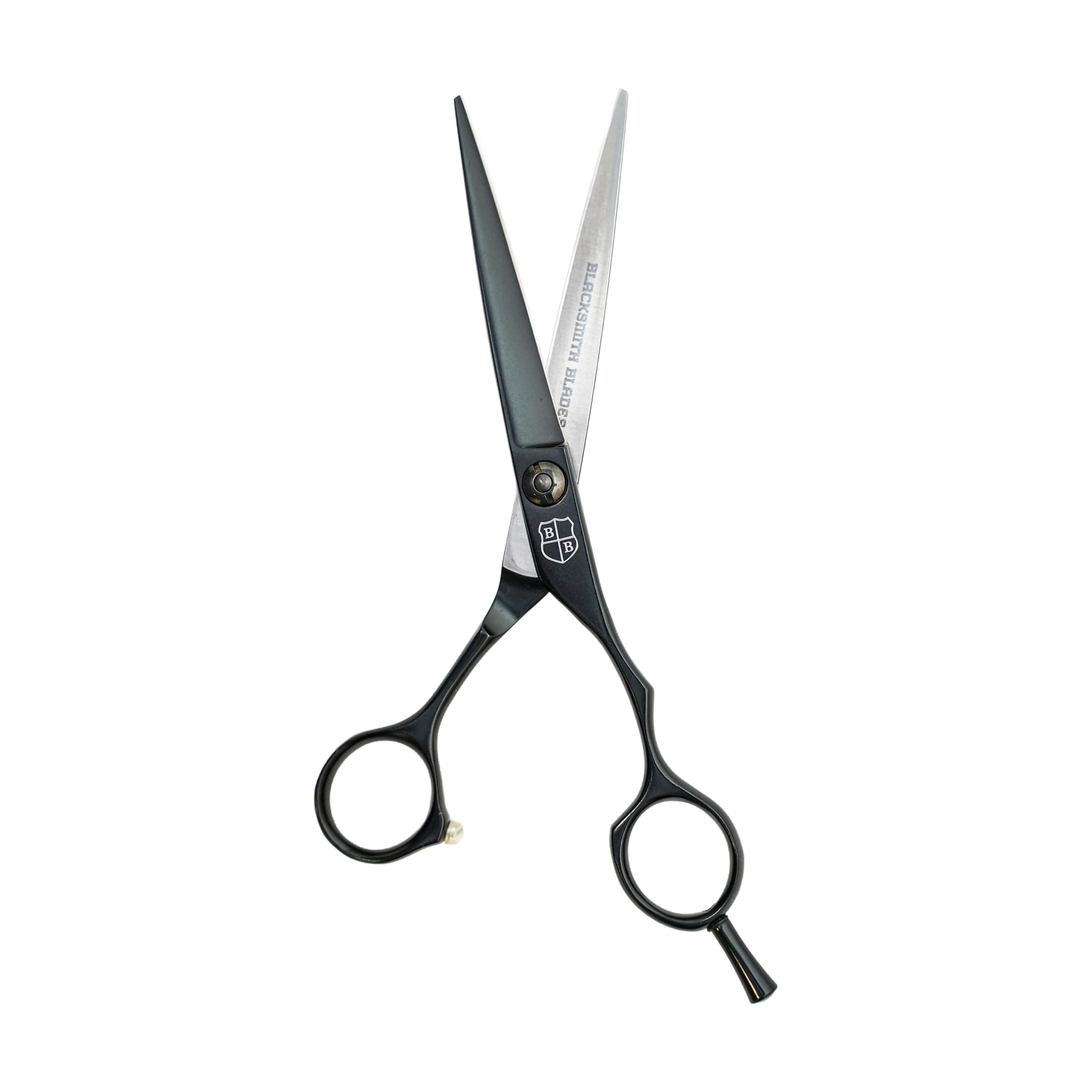
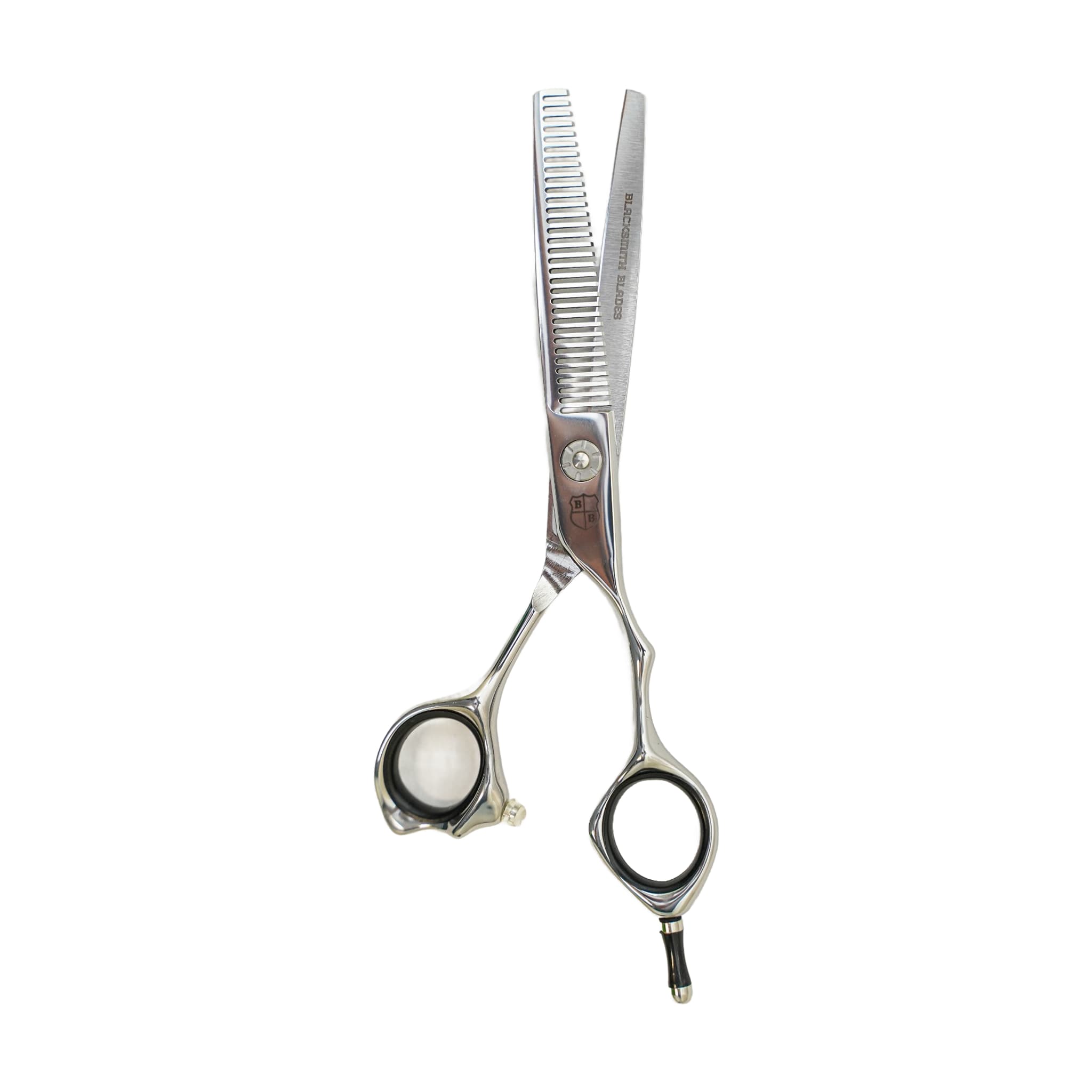
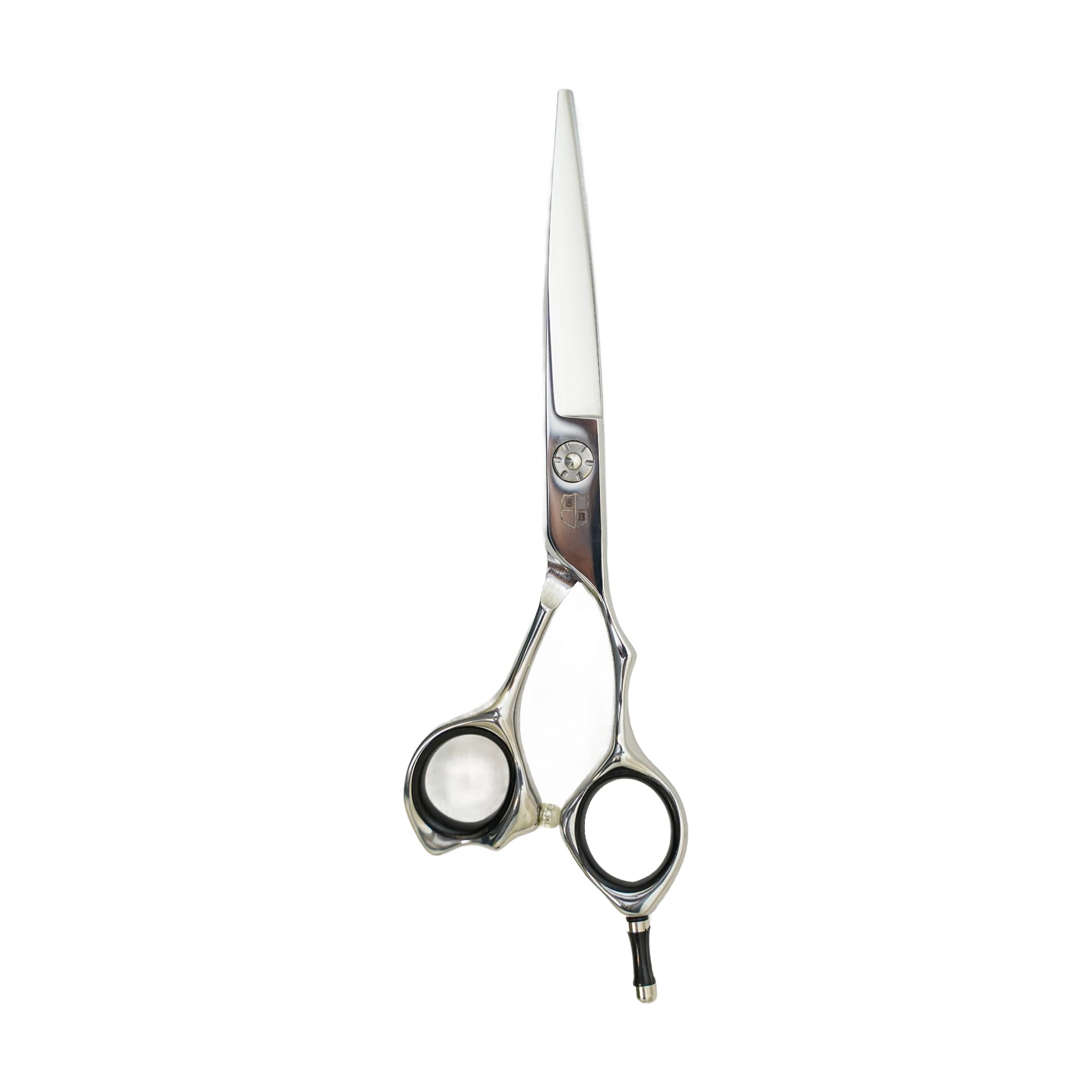
The 440C Ergonomic Cutting/Thinning Set from the 440C Professional Line includes an ergonomic cutting shear, a matching thinner and a shear wallet. The pairing is built around two separate jobs: you use the straight shear to set the shape, and you use the thinning shear afterward to soften a line or reduce weight.
That order matters. Texturizing cannot rescue a shape that was built poorly, so the structure belongs to your cutting shear, and the thinner comes in only once there is a shape to refine. Cutting shears, thinning shears, texturizing shears and kits are not interchangeable, so give each tool a defined role before you start.
Jobs that belong to your straight cutting shear
A straight cutting shear is the tool for the structural work: basic cutting, layering, point cutting and general shaping. This is general guidance for straight shears rather than a description of one specific technique, so apply it as a sorting rule, not a procedure. If the task is about building or changing the outline and internal structure of the cut, reach for the cutting shear first.
The set's intended flow follows the same logic: you select a cutting length and handle orientation, establish the shape, and only then blend chosen sections.
Matching the 5.5, 6 and 6.5 inch options to your sections
The set is offered with a left- or right-handed handle and in 5.5, 6 and 6.5 inch sizes for the cutting shear. The 5.5 inch option suits closer detail, while the longer sizes suit broader sections.
General shear guidance adds that shorter shears suit detail work, small hands and precision, while longer ones suit scissor-over-comb work, long sections and larger panels. That guidance bases the length choice on hand comfort and technique, and the length that feels right varies between stylists, so the work you typically do can inform your decision alongside your comfort and technique.
Jobs that belong to your thinning shear
Decide what you want the thinner to accomplish before it touches the hair. Its jobs are reducing density, softening a line, blending a transition and creating movement. Reach for it where there is excess weight or where two areas need to blend.
Placement matters too. Controlled thinning generally happens in the mid-lengths and in selected weight areas rather than at the root, and thinning close to the scalp can leave short pieces inside the cut. Removal near the scalp is advanced work that needs a plan. Different goals can call for different placement, and sometimes a different tool.
When the task calls for a different tool
Fine-tooth thinners and chunkers are different kinds of tools. As general guidance, more teeth give softer blends, while fewer teeth remove more hair and give stronger texture. Lower-tooth-count texturizers or chunkers give stronger separation and remove more hair than fine-tooth thinners, and a fine-tooth thinner is not a chunker.
The same boundary applies to materials. Hair shears are for hair only, so paper, tags, thread, packaging and fabric need a different tool.
A quick job-to-tool sort
- Building the shape, layering, point cutting or general shaping: your straight cutting shear.
- Softening a line or blending a transition after the shape is set: your thinning shear.
- Taking out excess weight once the shape is established: your thinning shear.
- Stronger separation or more hair removal: general guidance points to lower-tooth-count texturizers or chunkers rather than fine-tooth thinners.
- Anything that is not hair: a different tool altogether.
When you are ready to choose your size and handle orientation, view the 440C Ergonomic Cutting/Thinning Set on its product page.
Related resources
Sources
- 440C Ergonomic Cutting/Thinning Set - Blacksmith Blades
- Daily Shear Care and Storage - Blacksmith Blades
- Different Types of Haircutting Shears and How to Choose the Right Pair - Blacksmith Blades
- How to Use Texturizing and Thinning Shears Like a Professional - Blacksmith Blades