November 16, 2026/3 min read
Shape First, Texture Second: Where the 9CR 42T Thinning Shear Fits in Your Workflow
Your thinning shear should come out only after the structural shape is built. Here is how you can place the 9CR 42T in your sequence, judge a still-heavy result, and know when a lower tooth count is worth a look.
Build the shape first, then pick up the thinner
A thinning shear closes quickly and is hard to reverse, so your results depend largely on how much restraint you bring. Texturizing also cannot rescue a shape that was built poorly, which is why order matters: the structural cut comes first, and the thinner follows it.
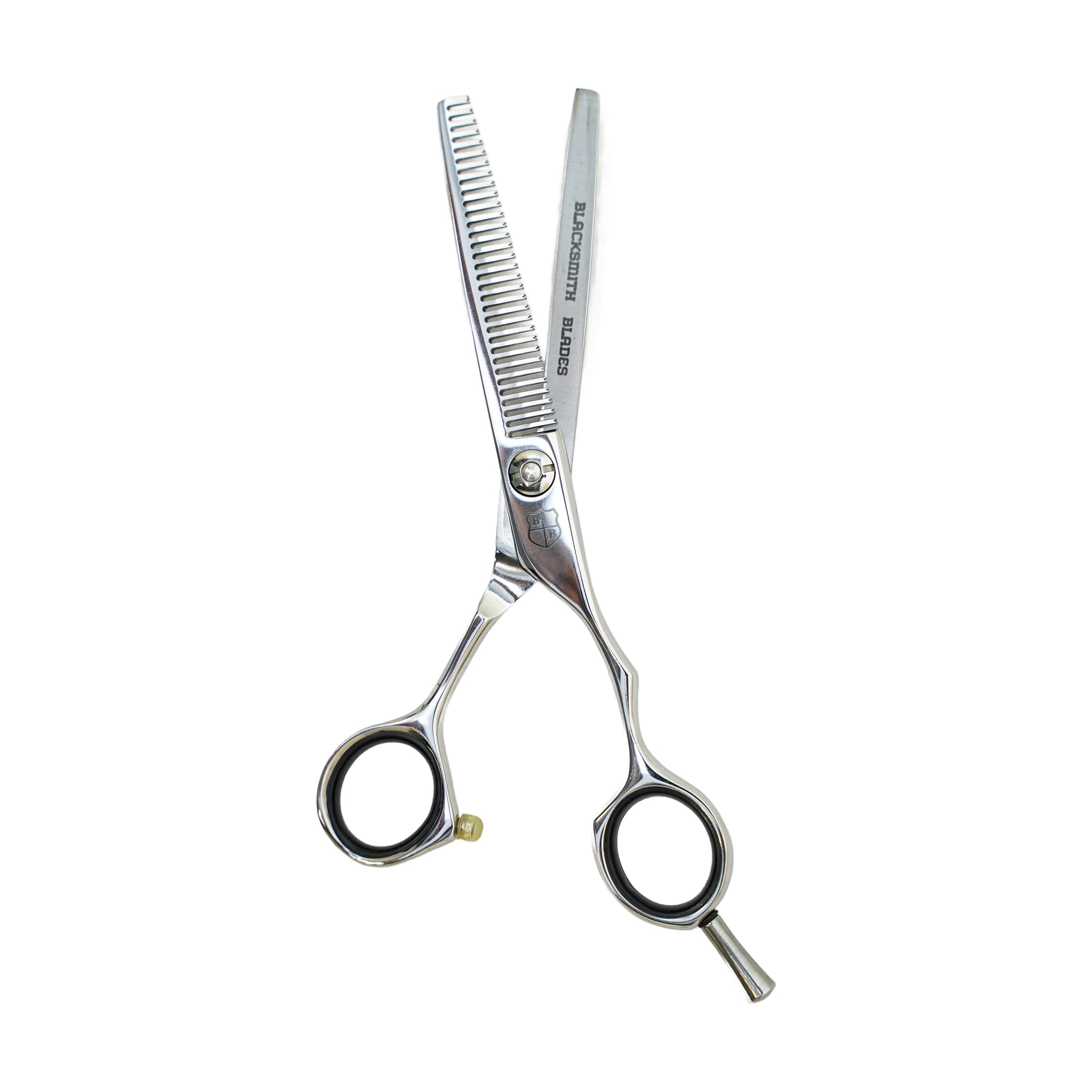
That is how the 9CR 42T is meant to be used, too. It belongs after the main cut, where it can soften a transition, and you shouldn't treat it like a straight cutting shear.
Name your purpose before you cut
Before the thinner is in your hand, decide what you want it to do: reduce density, soften a line, blend a transition, or create movement. Different goals call for different placement, and occasionally a different tool altogether. A cut that merely feels heavy is not enough reason to reach for a thinner. If you can't state the purpose, step back and evaluate the haircut before cutting anything more.
Then look at the haircut from a distance. That view helps you find the heavy areas and, just as importantly, the areas that need to stay strong, so you know where weight can come out.
- An interior area carrying excess weight
- A bulky transition that needs blending
- A dense area that needs movement
Those are the kinds of places where a thinning shear earns its use, and you should use it only where it improves the shape. Removing weight without a plan risks a weakened perimeter, frizz, or visible holes.
Why the 42T suits gradual blending
The 42T has a finer tooth pattern aimed at softening transitions and blending gradually. It is positioned for situations where a chunkier thinner would take out too much at once. In general, a higher tooth count gives a softer blend than a lower-count thinner, and the 42T is the higher-count option next to the 25T and 32T models.
Work in passes and check between them
Keep your sections clean so you don't unknowingly cut the same area twice. After each pass, comb through and judge the shape before deciding on another cut, because hair can look different once it settles.
If the haircut still looks heavy or slightly off, resist the urge to keep going just because the shear is in your hand. Use fewer cuts, comb through often, and stop as soon as the shape improves.
Visible chunks, holes, or weak ends suggest the tool was probably overused. Very short interior pieces from cutting too close to the scalp can push hair outward or make it frizz. Most controlled thinning happens through the mid-lengths and in selected weight areas, while work closer to the scalp is advanced and calls for experience and a clear plan.
Adjust your restraint to the hair in your chair
- Fine hair can look thin quickly.
- Curly hair needs careful placement.
- Thick, dense hair may tolerate stronger texture, though controlled passes still apply.
- Fragile ends can look weaker if too much weight comes out; sometimes a cleaner cut or a treatment plan is a better answer than more thinning.
When a lower tooth count is worth comparing
If you want more visible texture than the 42T gives, compare the 25T or 32T models. A lower tooth count, such as a texturizer or chunker style, creates stronger separation and removes more hair. That calls for more restraint, and the wrong tool can make you work harder than needed or take out too much too quickly.
To put the 42T to work in your own sequence, view the 9CR 42T Professional Thinning Shear and keep it for the refinement stage after your structural cut is done.
Related resources
Sources
- 9CR 42T Professional Thinning Shear - Blacksmith Blades
- How to Use Texturizing and Thinning Shears Like a Professional - Blacksmith Blades